
Why Satin Packaging Is Redefining Premium Product Experiences
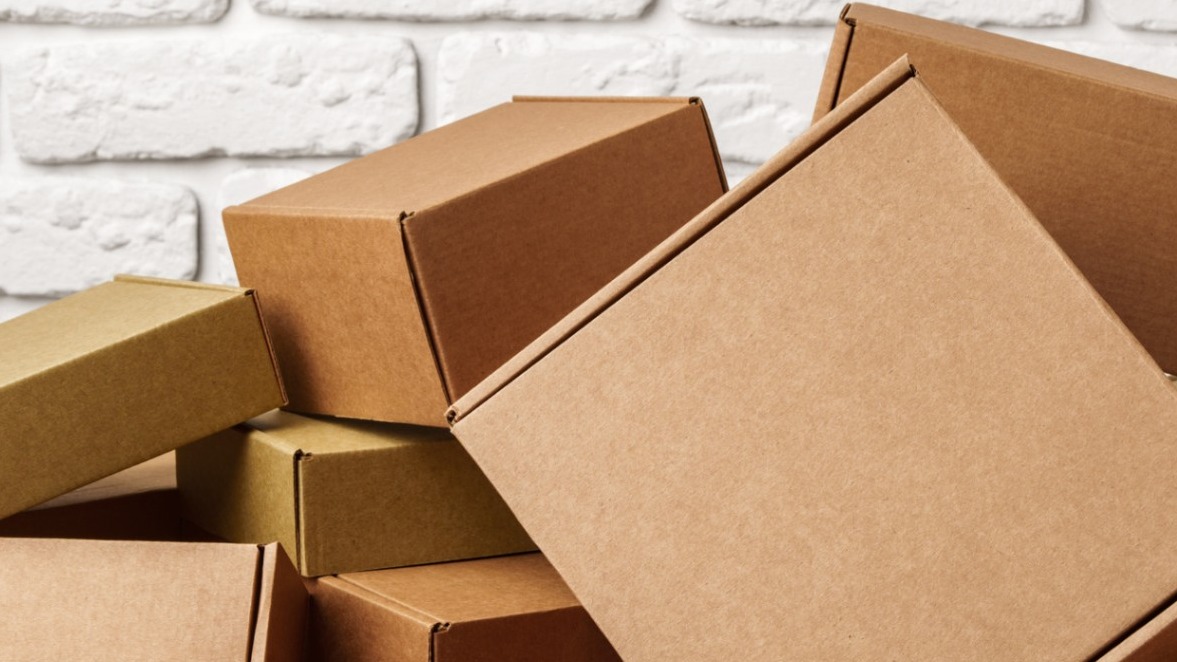
Satin Packaging
Definition
Satin packaging refers to packaging materials or finishes that have a smooth, low-sheen surface between matte and gloss, used to give products an upscale, refined appearance. It is created with satin-coated papers, laminated films, or varnishes and is chosen for its good printability, soft touch, and ability to hide fingerprints while protecting products during storage and transit.
Overview
What is satin packaging?
Satin packaging refers to boxes, sleeves, labels, or wrap that use a satin finish — a subtle, low-to-medium sheen that sits between matte and gloss — often combined with tactile coatings like soft-touch lamination. The result is packaging that looks refined without being overly shiny, and feels smooth and luxurious to the touch. Satin finishes can be achieved through specific coatings, laminates, or paper stocks and are commonly paired with other print embellishments such as foil stamping, embossing, or spot varnish to create layered premium effects.
Why satin is associated with premium experiences
Humans form rapid judgments based on sight and touch. Satin packaging deliberately engages both senses. Visually, the subdued sheen enhances color depth and reduces glare, making brand graphics and type feel calm and upscale. Tactilely, satin or soft-touch coatings invite handling; customers often associate that pleasant feel with durability and higher value. When packaging looks and feels right, it raises expectations for the product inside, supports brand storytelling, and increases the likelihood of repeat purchase or gift-giving.
Key benefits of satin packaging
- Perceived value: Satin finishes elevate perceived product quality without needing heavy ornamentation.
- Tactile engagement: Smooth, velvety surfaces improve unboxing experiences and customer satisfaction.
- Balanced appearance: Satin sits between glossy and matte, offering color richness without excessive reflection.
- Fingerprint resistance: Compared with high-gloss surfaces, satin hides smudges and fingerprints better.
- Versatility: Works with many embellishments — foil, deboss, spot UV — for nuanced premium effects.
- Brand differentiation: Distinctive tactile finishes can become part of a brand’s signature look and feel.
Common applications and examples
Satin packaging is widely used across categories that benefit from luxury cues. Examples include:
- Cosmetics and skincare: Cream jars and outer boxes with satin lamination signal refinement and gentle care.
- Perfume and fragrance boxes: A satin finish complements metallic foils and intricate embossing.
- Premium confectionery and chocolate: Soft sheen adds to the gift-like presentation without appearing gaudy.
- Electronics and accessories: Satellite packaging for phones, earbuds, or watches uses satin to balance sleekness and softness.
Materials and production methods
Satin effects are produced through several options: coated paper stocks with satin finish, satin embossing rollers, water-based satin varnishes, or satin laminates (including soft-touch laminates with low sheen). Printing methods include offset for large runs and high-quality digital for shorter runs or rapid prototyping. Designers often combine satin coating with selective spot finishes — for example, a satin background with glossy spot UV on the logo — to create a tactile contrast that highlights key brand elements.
Design and implementation best practices
- Start with a clear brand brief: Define the emotion you want the packaging to convey and how satin supports that feeling.
- Prototype early: Request physical samples of chosen substrates and finishes to evaluate color, sheen, and touch under real conditions.
- Use contrast wisely: Pair satin with spot gloss, foil, or emboss to draw attention without cluttering the design.
- Test durability: Confirm that the finish withstands handling, stacking, and shipping; satin can scuff differently than matte or gloss.
- Consider logistics: Some laminates change pack thickness or stiffness, which can affect packing, shelving, and fulfillment workflows.
- Plan for printing variability: Color may shift subtly between matte, satin, and gloss; adjust color proofs accordingly.
Common mistakes to avoid
- Relying on photography alone: Digital mockups rarely convey tactile qualities; always evaluate physical proofs.
- Over-embellishing: Too many finishes can feel busy and reduce the perceived elegance satin provides.
- Ignoring sustainability: Some satin laminates include plastics that complicate recycling; consider recyclable or water-based alternatives.
- Neglecting protection: Satin finishes can mask but not prevent damage; internal protective inserts may still be needed for fragile items.
- Mismatched brand cues: A satin finish works best when it aligns with product positioning — it may feel out of place for very utilitarian or budget brands.
Sustainability and cost considerations
Satin finishes can be produced in more eco-friendly ways today: water-based satin coatings, biodegradable laminates, and recyclable coated papers are available. When sustainability is a priority, discuss end-of-life recycling and certification with the printer. Costwise, satin sits above uncoated or basic matte options because of additional coating or lamination steps. Key cost drivers include run length, substrate choice, and any combined embellishments (foil, emboss). For many brands, the modest incremental cost is offset by higher perceived value and stronger customer engagement.
How to decide if satin packaging is right for your product
Choose satin when you want to balance understated elegance with tactile appeal. It’s ideal for brands that seek an approachable luxury feeling rather than overt flashiness. If your product benefits from careful handling, gifting, or premium positioning — such as cosmetics, accessories, gourmet foods, or specialty electronics — satin can be a strategic upgrade. Confirm fit through physical samples, consider sustainability and logistics, and align the finish with all touchpoints of your brand experience.
Final thought
Satin packaging is not just a cosmetic choice; it’s a multisensory tool that shapes first impressions and deepens brand connections. When used with intentional design and attention to production details, satin finishes can redefine what customers expect from premium packaging by making products look refined, feel inviting, and deliver a memorable unboxing moment.
More from this term
Looking for a 3PL?
Compare warehouses on Racklify and find the right logistics partner for your business.