
Why Serialized Inventory Is Essential for Modern Warehouse Operations
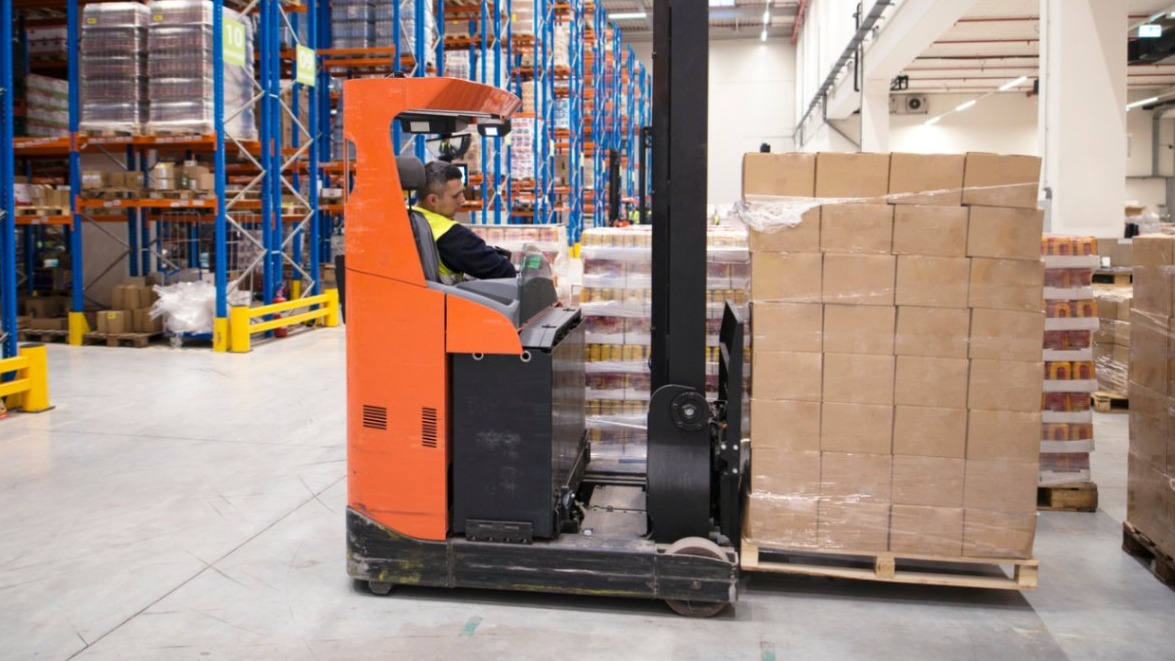
Serialized Inventory
Definition
Serialized inventory is an inventory management approach in which each individual item is assigned a unique serial number or identifier that is tracked throughout its lifecycle. This enables precise traceability of location, ownership, warranty, and maintenance history, improving recall management, loss prevention, and service accuracy.
Overview
What is serialized inventory?
Serialized inventory means every eligible unit of a product carries a unique serial identifier (a number, barcode, or RFID tag) that distinguishes it from every other unit, even when units share the same SKU. Unlike lot or batch tracking, which groups items produced together, serialization gives one-to-one traceability for items from receipt through storage, movement, sale, return, repair, or disposal.
Why serialization matters today
Warehouses operate in a fast, interconnected supply chain where accuracy, speed, and accountability matter.
Serialization is essential because it
- Enables full traceability. You can track an individual unit’s history: when it arrived, where it was stored, which order it fulfilled, who handled it, and when it shipped. This is critical for recalls, warranty claims, and quality investigations.
- Reduces shrinkage and theft. Unique IDs raise the difficulty of misappropriating inventory and make discrepancies easier to investigate and resolve.
- Improves accuracy and order fulfillment. Picking and shipping the exact serialized unit reduces shipping errors and returns caused by sending incorrect or damaged items.
- Supports after-sales service and warranty management. Serialized data links units to service histories, repairs, and warranty eligibility, improving customer support and enabling profitable service offerings.
- Meets regulatory and industry compliance. Sectors like medical devices, pharmaceuticals, aerospace, and electronics often require unit-level traceability for safety and legal reasons.
- Facilitates value-added services. Serialization enables refurbishment, component tracking, resale with provenance, and lifecycle reporting.
How serialized inventory works in practice
Serialization relies on four basic components working together: a unique identifier (serial number), a method for applying that identifier (label, laser mark, RFID), a data capture method (barcode scanner, RFID reader), and software (WMS, ERP, or specialized traceability systems) to record and manage serial events.
Typical serialized events recorded in the system include receipt (serials recorded at inbound), storage and movements (locations tied to serials), order picking and allocation (specific serials reserved for orders), shipping (serials included on packing lists and invoices), and returns or repairs (serials linked to return authorizations and repair history).
Common use cases and real examples
- Electronics manufacturer: Every smartphone is serialized. If a device is reported faulty, the serial number quickly identifies production date, component lots, and shipment destination for targeted recalls.
- Medical device supplier: Serialization ensures regulatory traceability so hospitals and regulators can track devices through distribution and in the field.
- High-value goods distributor: Serialized tracking reduces risk of counterfeit goods entering the supply chain and protects margin by linking each unit to provenance records.
Implementation steps for warehouses (beginner-friendly)
- Decide which SKUs need serialization. Not every SKU requires unit-level tracking. Prioritize by value, regulatory need, return rate, or warranty requirements.
- Select identification technology. Barcodes are low-cost and ubiquitous; RFID offers hands-free, bulk reads and faster cycle counting but costs more. Laser etching may be used for durable direct part marking.
- Integrate with software. Ensure your WMS/ERP can record serial events and integrate with other systems (order management, CRM, repair centers).
- Design labeling and data capture processes. Define labeling at receipt, movement, picking, and shipping steps, and ensure scanners/readers are available at workstations.
- Pilot and train staff. Start with a small SKU set or single facility, document procedures, and train operators on new scanning and handling steps.
- Monitor KPIs and iterate. Track pick accuracy, cycle count time, turnaround for returns, and incident response times to measure ROI and refine processes.
Best practices
- Start with a clear policy for which items are serialized and why; avoid over-serializing low-value, high-volume items unless needed.
- Maintain strict data quality: consistent serial formats, validated scans, and automated checks to prevent duplicate serials or mismatches.
- Design clear labeling and placement standards so serials are easy to scan in varied environments.
- Integrate serialization into receiving and shipping documentation so serials travel with orders and invoices to customers and partners.
- Use exception workflows for damaged or missing serials to ensure quick resolution and data integrity.
Common mistakes to avoid
- Implementing serialization without system integration — this creates manual work and defeats many benefits.
- Applying serials inconsistently across the supply chain, which breaks traceability and creates gaps during investigations.
- Failing to train staff: operators need to understand why scans matter and how to handle exceptions.
- Thinking serialization eliminates all errors — it reduces many types of errors but relies on proper process and data governance.
Measuring value and ROI
Common metrics to justify and measure serialization projects include reductions in pick/ship errors, faster and narrower recalls, lower shrinkage, reduced time to resolve warranty claims, decreased time and cost for returns processing, and overall improvements in customer satisfaction. For many businesses handling high-value or regulated items, the cost of serialization is quickly offset by avoided recall costs and improved service revenue.
Final note
For warehouses new to serialization, the right approach is pragmatic: prioritize SKUs, choose appropriate technology (barcode vs RFID), integrate with your WMS, run a pilot, and scale with process controls and staff training. With those elements in place, serialized inventory becomes a powerful tool that improves accuracy, accountability, and customer trust across modern warehouse operations.
More from this term
Looking for a 3PL?
Compare warehouses on Racklify and find the right logistics partner for your business.