
10 Companies Changing Reverse Logistics And Returns Right Now
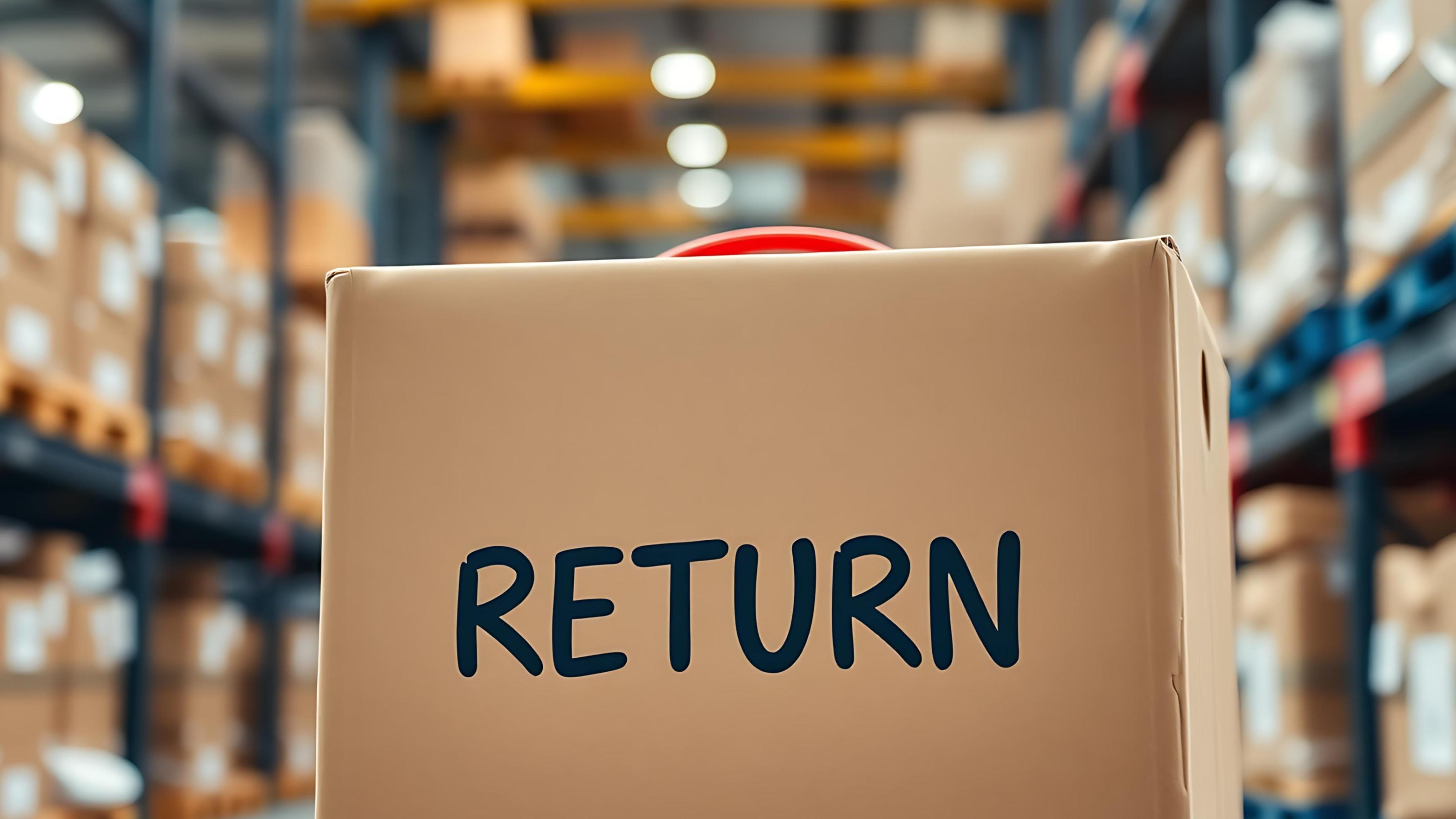
Returns have quietly become one of the biggest operational challenges in e-commerce. With billions of dollars in merchandise flowing back through the supply chain every year, reverse logistics is no longer just about refunds—it’s about speed, recovery value, fraud prevention, and sustainability. In this article, Racklify News looks at 10 companies that are reshaping how returns are processed, routed, and recovered across modern supply chains. From software platforms that automate return workflows to networks that consolidate drop-offs and recommerce platforms that give products a second life, these companies are redefining what happens after a customer sends something back.
William Carlin
04 Mar 2026 1:41 AM
10 Companies Changing Reverse Logistics And Returns Right Now
Returns used to be an annoying afterthought. In 2026, they’re a core operating system for e-commerce.
The scale alone explains why: U.S. retailers estimated 15.8% of annual sales would be returned in 2025, totaling about $849.9B. Add rising fraud pressure (and more brands charging for returns), and reverse logistics becomes one of the biggest levers for margin protection and customer retention.
Below are 10 companies reshaping how returns get initiated, routed, inspected, resold, and recovered—plus what each one is changing.
1) Happy Returns (UPS)
Happy Returns helped popularize boxless, label-free drop-offs via “Return Bar” networks and consolidated processing. It’s now part of UPS, which matters because carrier-scale networks can compress costs and speed up disposition.
Where it’s pushing the market: fraud + authentication at scale. Reuters reported UPS-owned Happy Returns testing an AI tool (“Return Vision”) aimed at spotting fraudulent returns by comparing what’s received to what was purchased.
Why it matters: A returns network isn’t just convenience anymore—it’s also a control point for fraud prevention, consolidation, and faster recovery.
2) Loop Returns
Loop is one of the best-known returns platforms in the Shopify ecosystem, focused on branded return portals, exchange-first flows, and automation to keep revenue from leaking out in refunds.
Loop also publishes benchmarking and trend reporting from a large returns data set. Its useful because most brands don’t have clean, comparable returns analytics across categories.
Why it matters: The fastest way to “fix” returns isn’t always cheaper shipping; it’s reducing refunds through smarter exchanges, incentives, and policies that still feel customer-friendly.
3) Narvar
Narvar has long been a post-purchase player, and its returns products are built around speed, visibility, and network options (pickup/drop-off) while helping brands operationalize reverse logistics and reduce manual work.
Narvar is also explicit about returns as a security and enforcement problem—tying eligibility, fraud controls, and policy compliance into the workflow.
Why it matters: Returns isn’t just CX. It’s also “who is allowed to return what, when, and how”—and enforcing that consistently is where margin gets saved.
4) AfterShip Returns
AfterShip’s returns product is built for automation and policy rules across carriers and regions, with a self-serve portal approach aimed at reducing support tickets and keeping the post-purchase experience cohesive.
A quiet signal of maturity: AfterShip actively versions and maintains its returns APIs (including migration guidance into 2026), which is what larger brands and 3PLs need for stable integrations.
Why it matters: Returns programs break down when they’re “custom operations” living in inboxes. Platforms that standardize rules + integrations are what let brands scale without chaos.
5) ReturnGO
ReturnGO positions itself as a returns and exchanges platform with a strong emphasis on turning returns into revenue retention (exchanges, store credit, workflows) and reducing operational waste.
It’s especially popular among fast-moving DTC teams because it’s designed around speed to deploy and self-service flows rather than heavyweight enterprise projects.
Why it matters: For a lot of merchants, the “win” is not a perfect reverse-logistics network—it’s a portal that converts refunds into exchanges and removes labor from the process.
6) ZigZag Global
International returns are where costs explode: duties, labels, routing decisions, consolidation, and customer expectations. This is all multiplied by country-by-country rules. ZigZag focuses on cross-border returns infrastructure and multi-country management.
Why it matters: If you sell globally, returns can erase the profit on an entire market unless routing, customs data, and local options are handled with intent.
7) Two Boxes
Two Boxes is a reverse logistics software platform built specifically for warehouses and 3PLs handling e-commerce returns. The platform helps operations teams standardize inspection workflows, capture item-level return data, and move products back into sellable inventory faster.
Instead of relying on manual spreadsheets or inconsistent warehouse processes, Two Boxes digitizes the return intake and inspection process, guiding staff through condition checks, restock decisions, and documentation. The system integrates with common e-commerce and returns platforms, giving brands better visibility into return reasons, product condition, and recovery outcomes.
Why it matters: Returns are often one of the most labor-intensive and least standardized workflows in a warehouse. Platforms like Two Boxes help 3PLs process returns faster, improve return-to-stock rates, and generate better data for merchants looking to reduce future returns.
8) ReverseLogix
ReverseLogix is built as an end-to-end Returns Management System (RMS) designed for complex workflows (B2B, B2C, hybrid).
It’s also increasingly integrating into broader operational stacks via partnerships. This is an indicator that returns is becoming a first-class system, not a side tool.
Why it matters: Brands with multiple channels, warehouses, and vendors need returns workflows that look more like an ERP process than a Shopify app.
9) Trove
Trove sits at the intersection of returns management + resale/trade-in, pushing the idea that returned inventory shouldn’t automatically become a loss. Their language is blunt: “Returns that Earn. Resale that Scales.”
Why it matters: The best reverse logistics programs don’t stop at “refund issued.” They optimize recovery: resale, trade-in, refurbishment, recommerce—whatever yields the highest margin and the least waste.
10) Treet
Treet is part of the growing wave of “branded resale” platforms that help brands monetize secondary inventory. What’s notable is how directly resale is getting tied to returns and excess inventory, not just consumer-to-consumer resale.
In a 2025 recap, Treet highlighted brands using resale channels to clear B-grade return inventory with high sell-through.
Why it matters: When resale becomes an intentional outlet for returns, brands can recover margin faster, reduce write-offs, and keep inventory moving without destroying brand equity.
Bonus: LiquiDonate
LiquiDonate is helping companies turn excess and returned inventory into meaningful donations for nonprofits and community organizations. The platform connects retailers, brands, and warehouses with a large network of verified nonprofits, making it easier to route unsellable or excess goods to organizations that can actually use them.
Instead of sending returned products to liquidation or landfill, LiquiDonate’s system helps businesses identify which items can be donated locally, often reducing transportation costs while ensuring the goods stay in circulation. The platform also helps companies manage the documentation and tracking needed for donations, making the process easier for operations teams.
Why it matters: Reverse logistics doesn’t always have to end in waste. Platforms like LiquiDonate help companies reduce landfill impact while supporting communities, proving that returns and excess inventory can create real social good instead of becoming another supply chain loss.
What’s changing in returns (and what to watch next)
Returns are becoming a “network decision,” not a warehouse decision
Drop-off networks, consolidation hubs, and carrier-owned programs change where returns flowand how quickly items get back into sellable channels.
Fraud is forcing smarter controls
Tools that compare “what should be returned” to “what arrived” are becoming standard, especially in apparel and high-velocity categories.
Recovery value is the new KPI
The winners are treating returns like inventory acquisition: route it, grade it, resell itfast. That’s why recommerce and liquidation plumbing matters more every year.
Subscribe to Racklify News for up-to-date Logistics News & Events
Comments
Share this on Social Media:

News
Processing Request