
From Storage Space to Power Grid: How Warehouses Are Becoming Clean Energy Hubs
Discover how solar-powered warehouse microgrids are transforming logistics real estate. Learn why converting rooftops into clean energy hubs cuts utility costs, powers electric fleets, and protects supply chains against power grid blackouts.

Jacob Pigon
23 Jul 2026 7:59 PM
From Storage Space to Power Grid: How Warehouses Are Becoming Clean Energy Hubs
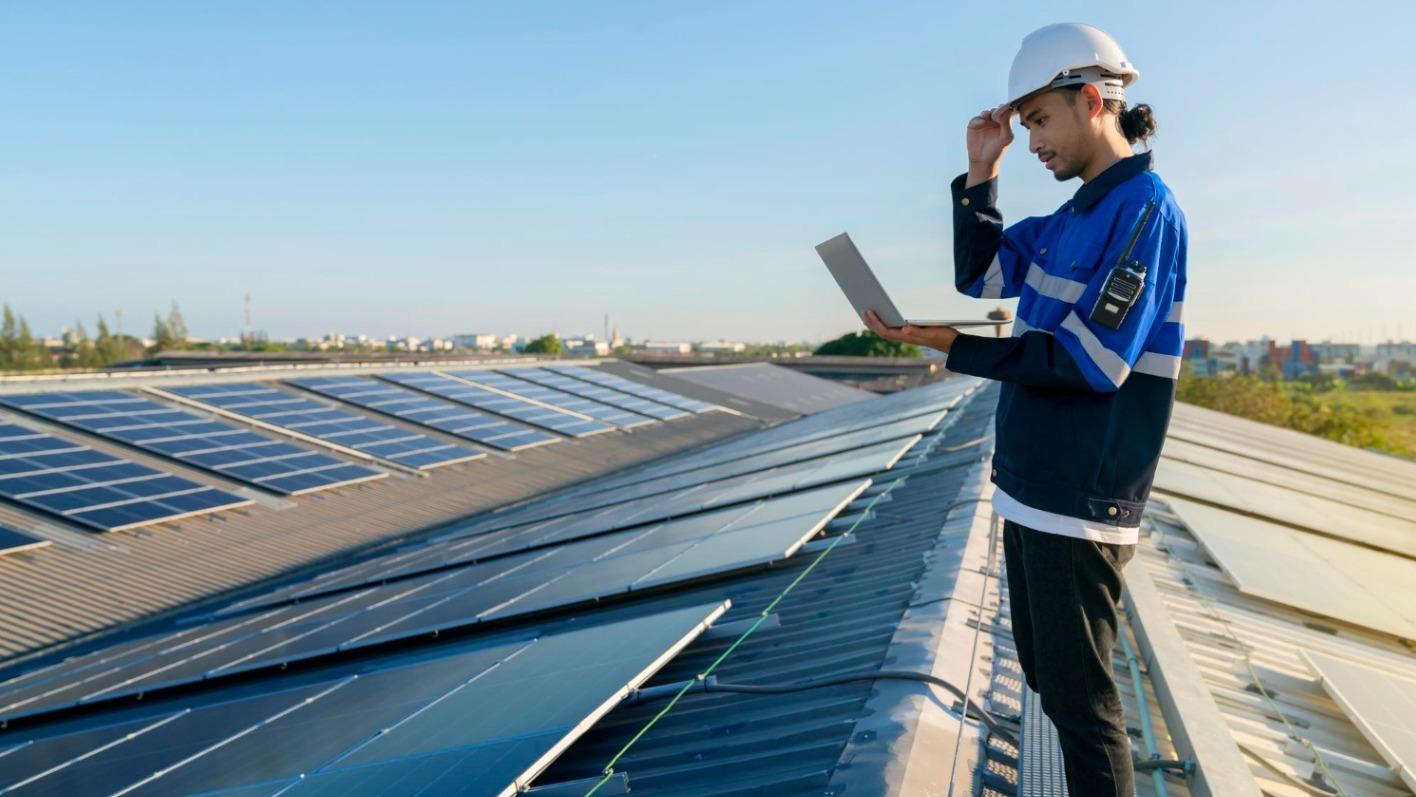
The global industrial real estate and fulfillment sector is celebrating a major transformation in how warehouse facilities generate value. For decades, massive distribution centers were viewed as energy-draining assets that relied heavily on traditional power grids to run continuous refrigeration, lighting, and sorting equipment. Today, a new wave of on-site commercial solar microgrids is turning warehouse rooftops into self-sustaining clean energy hubs.
Instead of relying solely on centralized power, forward-thinking logistics operators are outfitting thousands of square feet of roof space with high-efficiency solar panels paired with large-scale battery storage. These systems allow fulfillment centers to generate their own electricity, power incoming electric delivery fleets overnight, and maintain uninterrupted operations during severe weather outages. Most impressively, when local energy grids experience peak summer demands, these solar-powered distribution hubs can feed surplus electricity back into neighboring communities.
The Lesson: The Power of Asset Dual-Use
The vital educational takeaway for e-commerce brands and logistics providers is the concept of asset dual-use. Traditionally, facility managers evaluated warehouse real estate based on a single metric: storage capacity per square foot. Every decision centered around how many pallets or inventory racks could fit inside the physical building.
By recognizing that a warehouse's physical roof is prime real estate for clean energy generation, logistics operators learn that industrial assets can serve multiple income-generating functions simultaneously. Integrating renewable power directly into logistics infrastructure lowers daily utility bills, protects fulfillment lines against power blackouts, and accelerates the transition toward zero-emission delivery networks.
Summary
The industrial warehousing sector is experiencing a major sustainability breakthrough by transforming static distribution facilities into active solar microgrids.
By installing rooftop solar arrays and battery storage, logistics facilities are generating their own clean electricity to run warehouse operations and charge electric transport fleets.
The practical takeaway for modern business leaders is asset dual-use, proving that physical logistics infrastructure can simultaneously reduce operational energy costs, boost grid resilience, and generate sustainable power for surrounding communities.
Subscribe to Racklify News for up-to-date Logistics News & Events
Comments
Share this on Social Media:

Processing Request