
Furniture Fulfillment: What Brands Should Consider When Choosing a 3PL
Furniture fulfillment presents unique logistics challenges due to the size, weight, and fragility of many products. Unlike standard ecommerce goods, furniture often requires oversized storage space, specialized packaging, and freight or last-mile delivery services. Shipping large items through carriers like UPS or FedEx can involve dimensional weight fees and special handling, making logistics strategy especially important. For furniture brands, working with a 3PL experienced in bulky-item fulfillment can help reduce damage rates, control shipping costs, and deliver a better customer experience.

Jacob Pigon
27 Mar 2026 5:47 PM
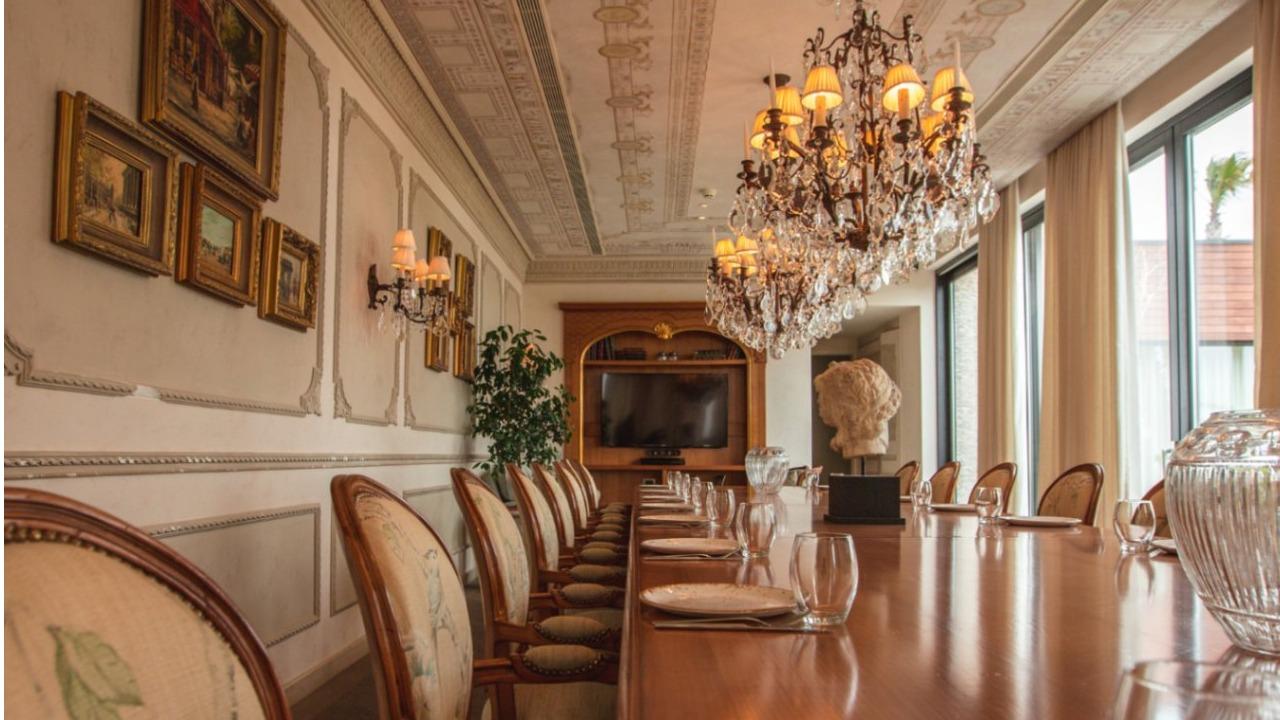
Furniture Fulfillment: What Brands Should Consider When Choosing a 3PL
Furniture has become one of the fastest-growing categories in ecommerce. From flat-pack desks and shelving units to sofas, mattresses, and outdoor sets, more consumers are buying large home goods online than ever before.
But fulfilling furniture orders is very different from shipping typical ecommerce products.
Furniture items are often bulky, heavy, fragile, and expensive to transport. They require specialized storage, packaging, and delivery methods that many traditional ecommerce fulfillment centers are not equipped to handle.
For brands selling furniture online, choosing the right third-party logistics provider can make a significant difference in shipping costs, delivery experience, and customer satisfaction.
The Challenge of Large and Bulky Products
One of the biggest differences between furniture fulfillment and traditional ecommerce logistics is product size.
Many furniture items are oversized, meaning they cannot move through standard parcel networks the same way smaller items do. Large products may require special packaging, palletized shipments, or freight transportation.
Carriers such as UPS and FedEx impose additional fees for oversized packages, dimensional weight, and non-standard handling.
For very large items like sofas, tables, or bed frames, brands may need to rely on freight carriers or specialized last-mile delivery providers.
This complexity makes shipping strategy a critical part of furniture fulfillment.
Storage Considerations
Furniture also takes up far more warehouse space than smaller ecommerce products.
Bulky items can consume large amounts of pallet space, which increases storage costs. Some items also require careful stacking or protective storage to prevent damage.
For example, upholstered furniture must be protected from dust and compression, while wooden pieces may need additional padding or packaging to prevent scratches.
Warehouses handling furniture typically require larger storage areas, wider aisles, and equipment capable of moving heavy products.
Packaging and Damage Prevention
Furniture is especially vulnerable to shipping damage.
Long transportation distances, multiple handling points, and large package sizes increase the risk of dents, scratches, or structural damage.
Packaging must be designed to protect products during transit. This often includes reinforced cartons, foam padding, corner protectors, or protective wrapping.
In some cases, brands ship furniture partially assembled or flat-packed to reduce size and lower shipping costs.
The right packaging strategy can significantly reduce damage rates and return costs.
The Importance of Last-Mile Delivery
The final delivery step, often called the last mile, is particularly important for furniture brands.
Customers purchasing large items expect reliable delivery windows and professional handling.
For smaller furniture products, standard parcel carriers may still be used. But larger items often require freight or specialized delivery services.
Some shipments involve white-glove delivery, where drivers bring furniture inside the customer’s home, assemble it, or remove packaging materials.
These services improve the customer experience but require coordination between the brand, the 3PL, and the delivery provider.
Returns and Reverse Logistics
Furniture returns can be complicated and expensive.
Large items are difficult to ship back through traditional parcel networks, and return shipping costs can quickly add up.
Some brands choose to refurbish returned items or resell them through secondary channels. Others may offer partial refunds or local pickup options instead of requiring full returns.
A 3PL with experience in reverse logistics can help brands manage these scenarios efficiently.
What Furniture Brands Should Look for in a 3PL
When evaluating fulfillment partners, furniture brands should consider several important factors.
First, confirm that the warehouse can accommodate oversized and bulky inventory.
Second, evaluate the 3PL’s experience with furniture or large-item logistics. Handling heavy or fragile goods requires specialized equipment and procedures.
Third, review the provider’s relationships with freight carriers and last-mile delivery networks.
Fourth, ask about packaging capabilities. Protective packaging and custom packing solutions can significantly reduce damage rates.
Finally, consider the 3PL’s ability to scale operations as the brand grows and order volume increases.
Why the Right 3PL Matters
Furniture ecommerce can be extremely rewarding, but it also comes with operational challenges that smaller products do not face.
Storage costs, shipping complexity, and damage prevention all require careful planning.
The right 3PL partner helps brands navigate these challenges while delivering a positive customer experience.
When furniture arrives on time and in perfect condition, customers are far more likely to trust the brand and make future purchases.
In a category where logistics can make or break the customer experience, strong fulfillment operations are a major competitive advantage.
Subscribe to Racklify News for up-to-date Logistics News & Events
Comments
Share this on Social Media:

News
Processing Request