
Human-Centric Logistics: How Wearable Exoskeletons Are Transforming Warehouse Safety and Productivity
Discover how wearable exoskeletons are revolutionizing warehouse safety and productivity. Learn why human-centric ergonomics reduces injury rates, boosts fulfillment speed, and offers a better alternative to full automation.

Jacob Pigon
21 Jul 2026 6:53 PM
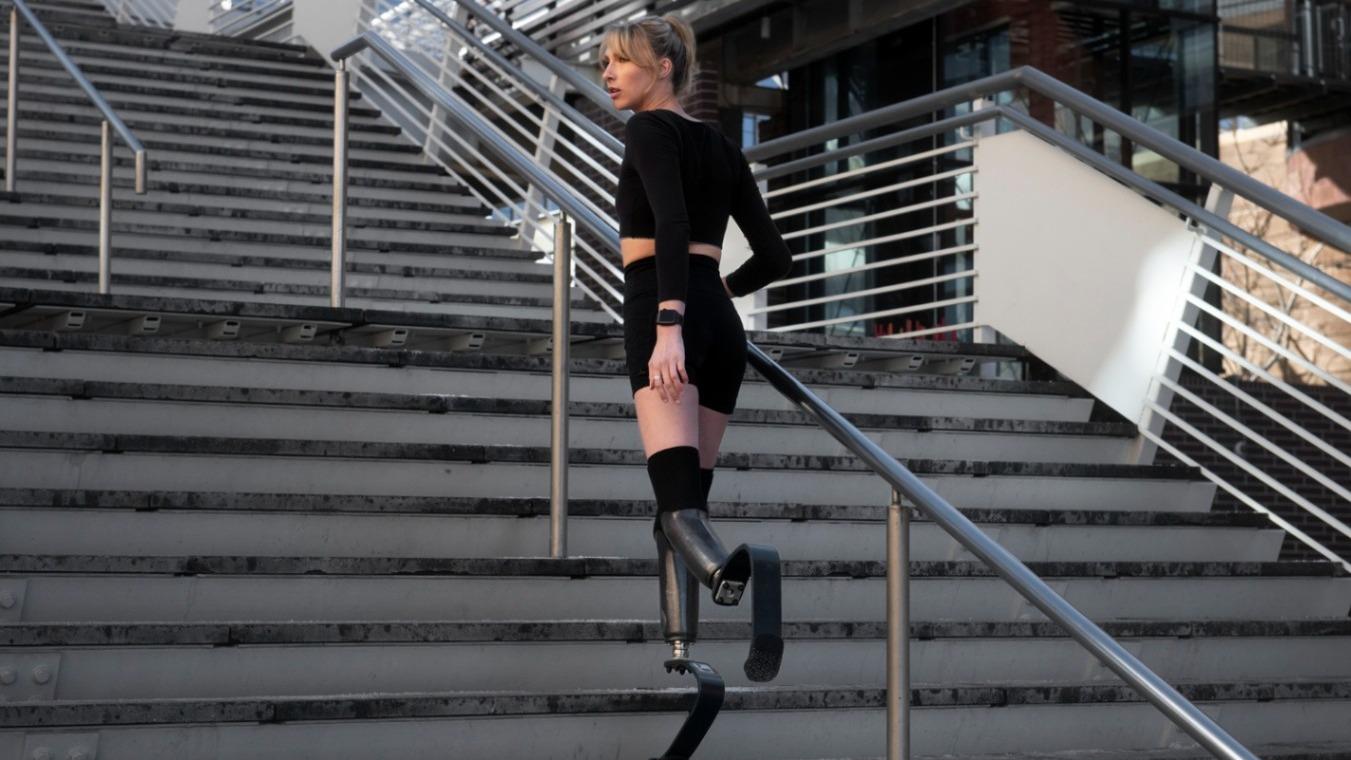
Human-Centric Logistics: How Wearable Exoskeletons Are Transforming Warehouse Safety and Productivity
The warehouse logistics sector is celebrating a major win for worker safety and operational health. For years, intense physical strain from repetitive lifting, bending, and loading heavy parcels led to high turnover and severe fatigue among fulfillment teams. Today, a new generation of wearable exoskeletons is rewriting that narrative by turning manual labor into a safer, supported experience.
These lightweight, bionic support suits are worn like a backpack over standard work clothing. Rather than replacing human movement, both passive and active back support exoskeletons absorb the mechanical strain when lifting heavy loads, redistributing up to sixty percent of the weight away from the lower spine to the hips and legs. Early operational trials across global distribution centers demonstrate a dramatic reduction in physical fatigue, lower injury rates, and a significant boost in worker satisfaction.
The Lesson: The Power of Human-Centric Automation
The vital educational takeaway for e-commerce brands and warehouse operators is the concept of human-centric ergonomics. For years, industry discussions revolved around replacing human workers entirely with complex robotics. However, modern fulfillment facilities are learning that full automation is not always practical or cost-effective for dynamic, custom orders.
By augmenting human workers instead of replacing them, companies achieve optimal warehouse flexibility. Human team members bring irreplaceable problem-solving skills, dexterity, and adaptability to complex packing tasks, while wearable bionic technology removes the physical toll. Empowering your existing workforce with supportive technology reduces expensive sick leave, boosts daily throughput, and creates a far more resilient supply chain.
Summary
The logistics industry is celebrating a major workplace safety breakthrough through the widespread adoption of wearable suit technology in fulfillment centers. By equipping warehouse workers with ergonomic back-support suits, companies are reducing physical strain on lifting tasks by up to sixty percent and dramatically lowering workplace injuries.
The practical lesson for modern supply chain leaders is that human-centric automation offers a smarter path forward than full robotic replacement, combining human problem-solving skills with bionic physical support to build a happier, safer, and more productive workforce.
Subscribe to Racklify News for up-to-date Logistics News & Events
Comments
Share this on Social Media:

Processing Request