
The Orchestration Era: Network Consolidation and the "Strike-Hedge" Strategy
The global supply chain is undergoing a transformation driven by the democratization of logistics infrastructure. Major players like Amazon have opened their supply chain networks to all businesses, while competitors like Walmart are weaponizing retail spaces into delivery hubs. This shift forces 3PLs and merchants to abandon siloed warehouse models in favor of AI-driven orchestration. Success hinges on leveraging shared capacity and treating fulfillment as a flexible digital service rather than a static asset.

Jacob Pigon
19 May 2026 4:32 PM
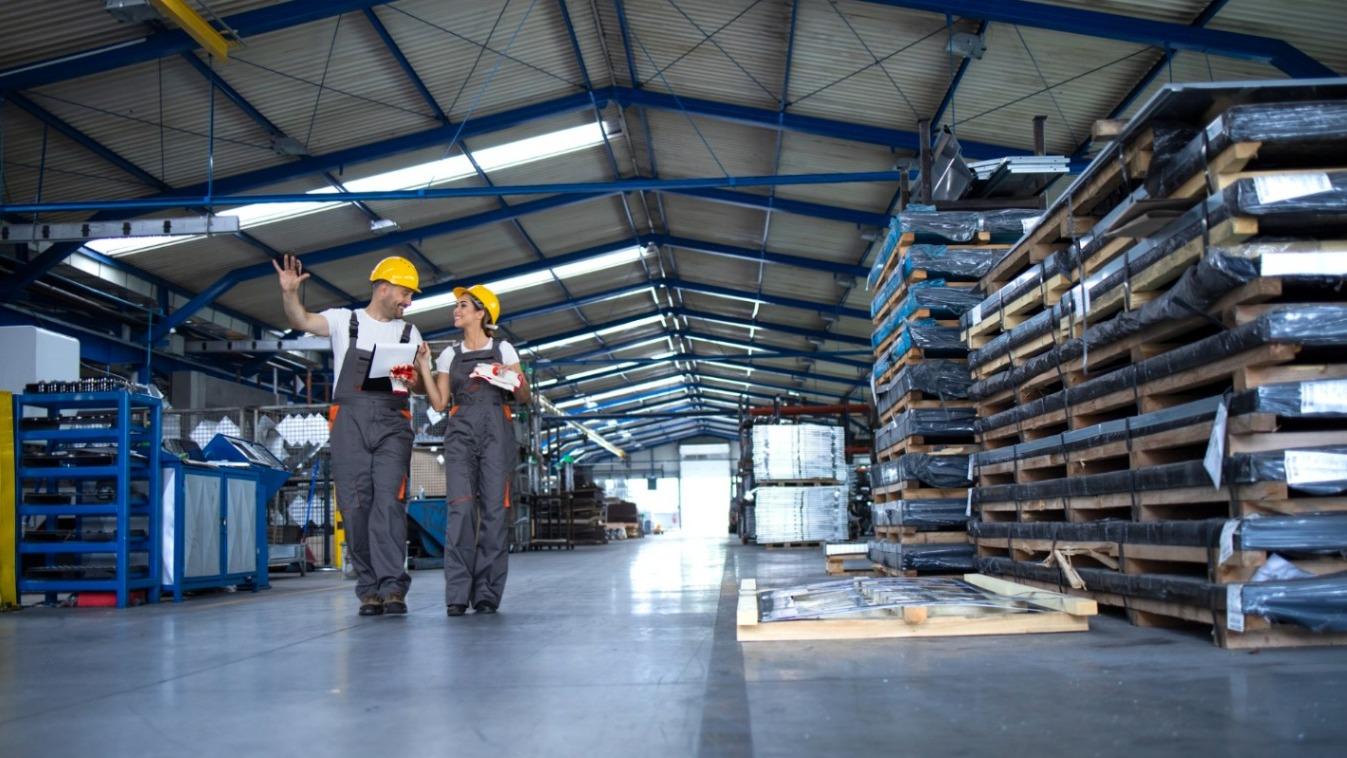
The Orchestration Era: Network Consolidation and the "Strike-Hedge" Strategy
The 3PL industry is no longer just moving boxes—it’s moving data at lightspeed to outrun a global semiconductor crisis. As the "Beijing Breakthrough" stabilizes ocean lanes, a 48-hour countdown to a historic Samsung strike is forcing a radical shift toward "Agentic Commerce."
The New Rules of Global Fulfillment
The logistics landscape shifted seismically this week. The barrier to entry for world-class fulfillment has dropped to zero, and the established players are changing their entire business models to keep up with the new speed of e-commerce.
1. The "AWS of Logistics" is Here
Amazon has officially scaled its Supply Chain services, recently finalizing a 20% volume reduction with the USPS to favor its own internal network. For traditional 3PLs, this is a heavy reality check: you are now competing against a company that treats physical freight exactly like cloud computing. Sellers are migrating to platforms that offer this level of plug-and-play scalability to avoid the 8% fuel surcharges hitting traditional carriers.
2. Retail Space Weaponized into Depots
To counter Amazon’s grip, Walmart is aggressively converting vacant retail footprints into hyper-local delivery depots. For sellers, this proves that the centralized "hub-and-spoke" model is dead. Merchants are realizing that the only way to meet the 2026 consumer expectation of 30-minute delivery is by leveraging distributed hubs that place inventory directly inside the consumer's zip code.
3. The Rise of the Agentic 3PL
With the launch of the pipe17.ai "onX" standard this week, AI agents can now execute omnichannel order management without human intervention. Tech-forward 3PLs are adopting Brand Management suites to automate complex billing and parcel spend across fragmented networks. Sellers no longer want to build their own supply chains; they want 3PLs to provide a single digital API that connects warehouses, regional carriers, and automated returns.
The global logistics sector in mid-2026 is defined by a shift from physical ownership to network integration. As Amazon opens its infrastructure to external merchants, traditional 3PLs must adapt by becoming technology integrators. The operational focus has moved to orchestration software, allowing sellers to manage dispersed inventory and maintain ultra-fast speeds despite ongoing industrial strikes and shifting trade alliances.
Bottom-Line
If your strategy relies on rigid contracts for pallet storage, you are losing. The future belongs to those who treat logistics like a software stack—plugging into shared networks and using AI to instantly route inventory around disruptions like the Samsung strike.
Subscribe to Racklify News for up-to-date Logistics News & Events
Comments
Share this on Social Media:

Processing Request