
The Quiet Urban Delivery Revolution: How Micro-Hubs and Cargo Bikes Are Beating Gridlock
Discover how urban micro-hubs and electric cargo bikes are transforming last-mile logistics. Learn why decoupling highway transport from neighborhood delivery reduces traffic gridlock, cuts emissions, and lowers shipping costs.

Jacob Pigon
19 Jul 2026 3:04 PM
The Quiet Urban Delivery Revolution: How Micro-Hubs and Cargo Bikes Are Beating Gridlock
The retail logistics industry is celebrating a major victory in the fight against urban traffic congestion and vehicle emissions. For decades, delivering e-commerce parcels required sending heavy diesel step vans directly into crowded downtown streets. Today, forward-thinking logistics providers are proving that urban micro-consolidation is a much smarter, faster, and greener way to move goods.
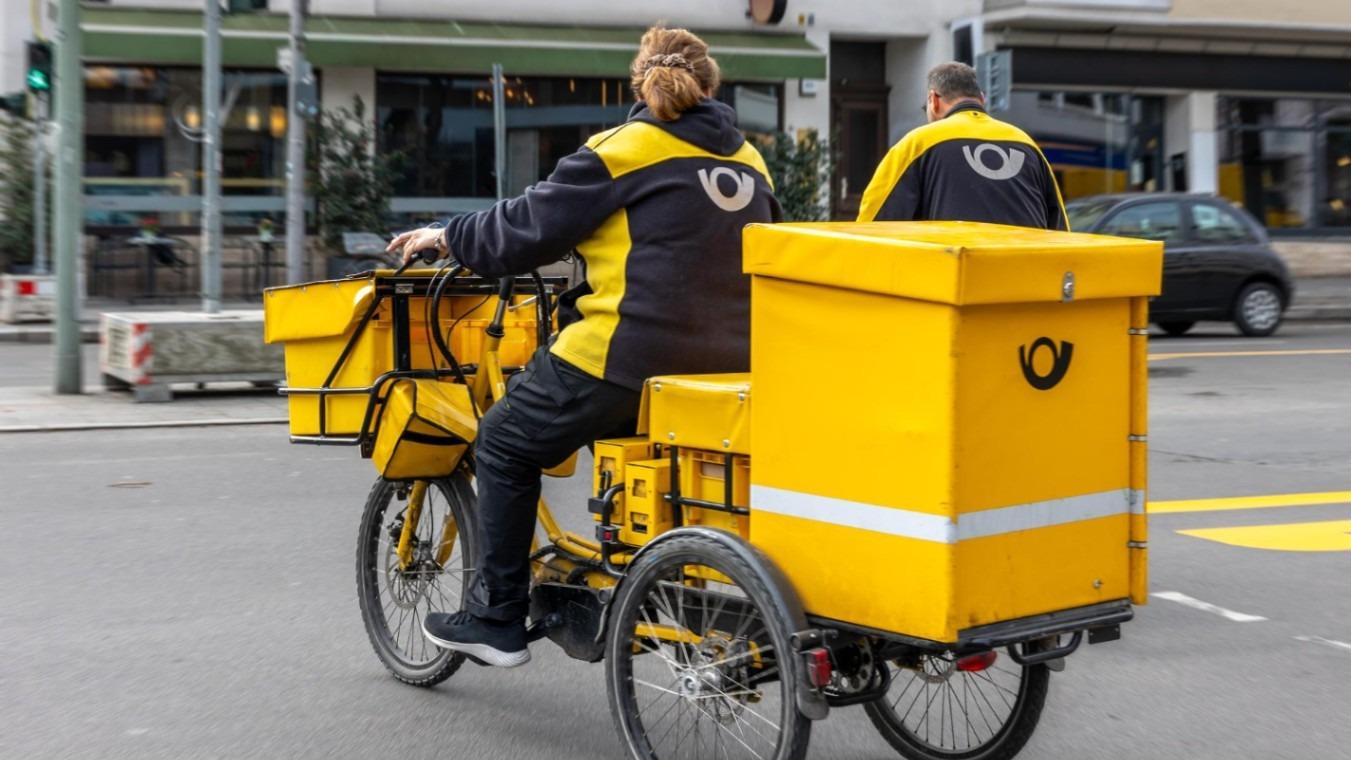
Instead of driving large trucks from suburban warehouses all the way to a customer's doorstep, companies are establishing compact fulfillment hubs in unused downtown real estate, such as converted parking garages and small retail spaces. From these localized micro-hubs, packages are transferred to automated electric cargo bikes and lightweight electric carts. These agile vehicles easily bypass traffic jams, utilize bike lanes, and completely eliminate the need for double-parking on busy roads.
The Lesson: The Power of Last-Mile Decoupling
The vital educational lesson from this urban shift is a concept known as last-mile decoupling. Traditionally, supply chain planners tried to use a single vehicle for both the long highway transit and the final neighborhood delivery. However, heavy highway trucks are completely unsuited for narrow, congested streets.
By decoupling the journey into two specialized phases, businesses learn that aligning vehicle size with the surrounding environment drastically cuts operational friction. A massive truck is unbeatable for moving bulk freight across highway distances, but a compact electric cargo bike is exponentially more efficient for navigating crowded neighborhoods.
Teaching an operation to specialize its vehicles for different environments slashes fuel costs, eliminates parking fines, and delivers packages up to sixty percent faster in dense areas.
Summary
The retail logistics industry is experiencing a breakthrough in sustainability and speed through the rapid adoption of urban micro-hubs.
By transferring packages from large highway trucks to localized distribution centers and deploying electric cargo bikes for the final leg of the journey, delivery companies are bypassing traffic gridlock and cutting vehicle emissions.
The practical lesson for modern business operations is that last-mile decoupling and matching vehicle size to the local environment can simultaneously lower delivery costs and speed up parcel drop-offs.
Subscribe to Racklify News for up-to-date Logistics News & Events
Comments
Share this on Social Media:

Processing Request