
Silver’s Price Jump is Squeezing Manufacturers Globally
Rising silver prices are creating real cost pressure for manufacturers as the metal’s dual role as a precious asset and critical industrial input tightens supply and drives volatility. This article breaks down why silver matters so much to sectors like electronics, solar, and industrial manufacturing, how higher prices show up indirectly through components and supplier costs, and why China’s demand plays an outsized role in global pricing. It also looks beyond silver to other raw materials on the rise, including aluminum, steel, copper, and battery metals, and outlines what manufacturers should monitor to protect margins and plan ahead in an increasingly unpredictable materials market.

William Carlin
19 Jan 2026 10:54 PM
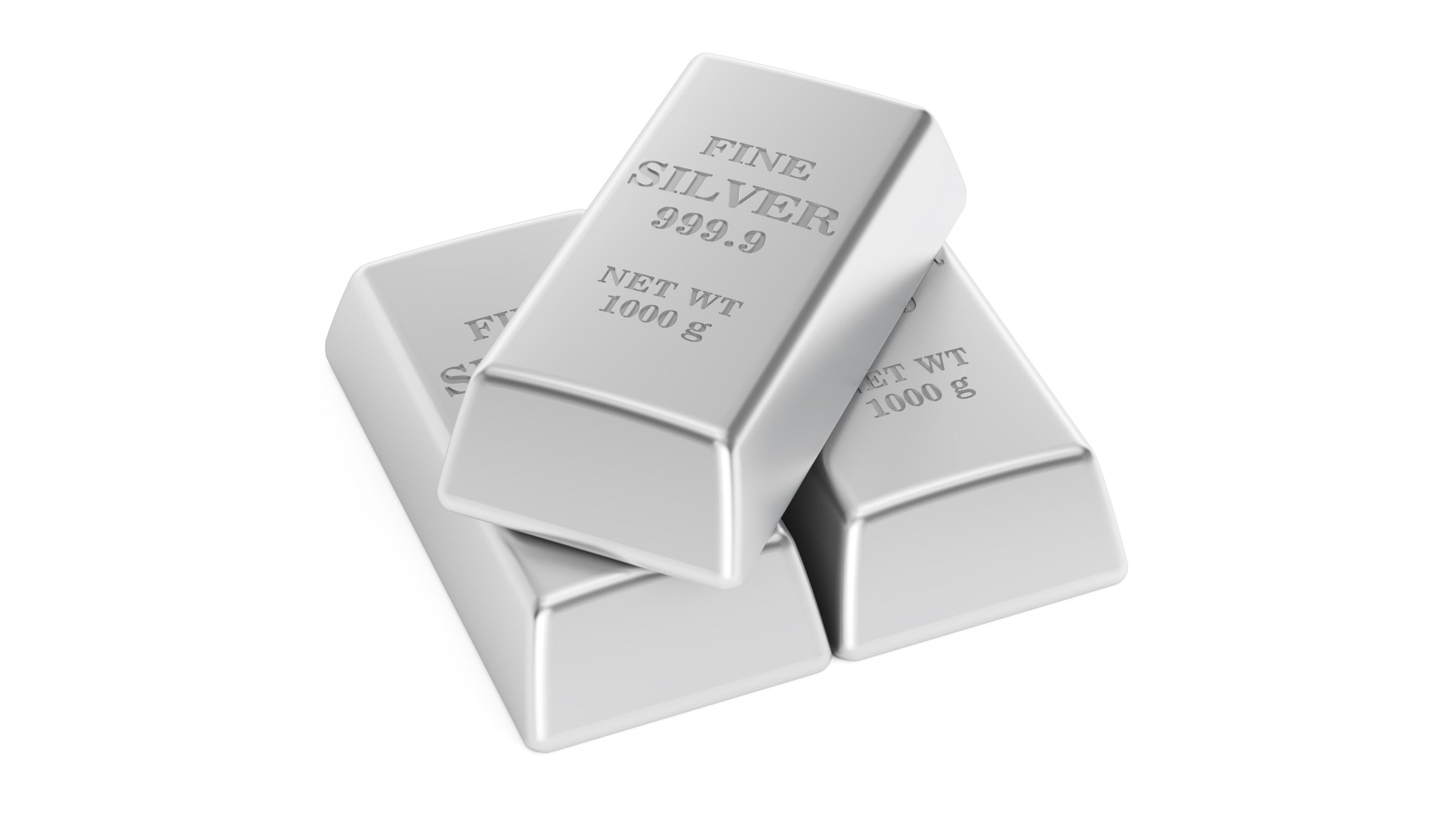
Silver’s price jump is squeezing manufacturers
Silver has been on a tear, with recent reporting showing spot silver hitting record territory (around the mid-$90s/oz on Monday, Jan. 19, 2026) alongside a broader precious-metals rally tied to geopolitics and tariff fears. Even if your business doesn’t “buy silver,” you may still pay for it indirectly through components, coatings, contacts, soldering alloys, and electronics subassemblies where silver is hard to replace.
Why silver matters so much to manufacturing
Silver is both a financial metal and a heavily industrial metal. A big share of demand comes from industrial use cases like electronics and photovoltaics, which is why silver can move like a commodity when factories are humming and like a safe haven when markets get nervous.
On the fundamentals side, multiple industry analyses have emphasized ongoing structural tightness—industrial consumption outpacing supply—driven in part by the reality that much of the world’s silver is produced as a byproduct of other mining (so supply doesn’t respond quickly when prices spike).
Where the cost pressure shows up first
Here’s how higher silver prices typically hit manufacturers fastest:
- Electronics & electrical: switches, relays, connectors, contact pastes, conductive inks, EMI shielding, and high-reliability interconnects.
- Solar & power infrastructure: silver remains important in PV metallization (even as manufacturers try to thrift silver per panel or redesign).
- Brazing & soldering alloys: silver-bearing brazing alloys are used for strength and conductivity in HVAC/R, appliances, and industrial assemblies.
- Specialty chemicals/coatings: silver catalysts and coatings show up in niche but critical processes.
What manufacturers are doing about it
When silver moves this fast, most companies respond in three layers:
- Pricing & contracts (near-term):
- Add/refresh metal surcharges or indexed pricing tied to a published benchmark (so margin doesn’t get crushed between quote and ship).
- Tighten quote validity windows, and separate “metal content” from “conversion cost.”
- Procurement & inventory strategy (0–6 months):
- Negotiate fixed-price windows with suppliers where possible, or use collars (price ranges) instead of fully fixed quotes.
- Revisit safety stock for silver-heavy SKUs (but avoid panic buying that locks in peak prices).
- Engineering changes (3–18 months):
- “Thrift” silver usage (thinner layers, smaller contact areas) or qualify alternative designs where performance allows.
- Re-qualify second sources and alternate materials early, because certification and customer approvals are usually the real bottleneck.
It’s not just silver: other metals and inputs that are rising
Aluminum: tariffs + tight supply are pushing U.S. costs up
If you buy aluminum in the U.S., price pressure has been amplified by tariffs and low inventories. Recent coverage noted major increases and record-high regional premiums tied to tariff impacts and supply tightness.
Where it bites: packaging, automotive components, appliances, building products, racking, and any lightweighting initiatives.
Steel: trade flows and policy are driving volatility
Steel pricing can move on global trade behavior and shifting requirements. Reuters recently reported record Chinese steel exports late in 2025 (and new export licensing requirements beginning in 2026), which can ripple into global pricing and trade actions.
Where it bites: fabricated metal products, construction-linked demand, equipment manufacturing, and anything with heavy gauge input cost.
Copper: grid buildout demand keeps it sensitive
Copper is the “everything electrifies” metal—wiring, motors, transformers, busbars, power infrastructure. Major bank research has highlighted power/grid demand as a key structural driver even if prices fluctuate near-term.
Where it bites: electrical equipment, HVAC, automotive harnesses, industrial motors, and data-center-related supply chains.
Lithium and nickel: battery supply chains are heating back up
Recent reporting suggests lithium prices have been rebounding sharply into January 2026, with analysts pointing to tightening cycles and demand growth (including energy storage).
Nickel has also shown notable price movement and sensitivity to supply changes (especially connected to Indonesia), with market commentary emphasizing near-term pressures and policy/supply constraints.
Where it bites: battery-related manufacturing, energy storage components, stainless applications (nickel), and long-lead procurement programs.
Tin: a sleeper risk for electronics
Tin is essential for solder and electronics assembly. Coverage has highlighted how tin pricing can get distorted by both supply headlines and inventory/trading dynamics—meaning manufacturers can face sharp moves even when physical availability looks “fine.”
Where it bites: PCBs, EMS providers, and anyone with high solder consumption.
What to keep an eye on (a simple watchlist)
1) Inventory signals and “real vs paper” tightness
Big price moves can be driven by financial positioning as much as physical shortages. Watch exchange inventories, lead times, and supplier allocation notices in parallel—if price spikes but lead times don’t move, you may be seeing more “paper heat” than true scarcity (tin has been a good example of this tension recently).
2) Energy and policy (tariffs/export rules)
For aluminum and steel especially, policy can overwhelm fundamentals. Tariffs, export licensing, and sanctions can change regional prices fast, even when global production is steady.
3) Substitution and thrifting milestones
When manufacturers redesign to use less of an input (like silver in PV manufacturing), demand can bend—but it’s rarely instant. Track announcements from major downstream buyers about material substitutions and qualification timelines.
4) Your BOM “metal exposure map”
A lot of companies underestimate exposure because the metal is embedded inside purchased parts. Build a quick internal map:
- Top 25 SKUs by margin and revenue
- Top 20 suppliers by spend
- Which parts contain silver/copper/aluminum/tin (even indirectly)
- Then prioritize renegotiation and engineering work where it matters most.
Quick takeaways for operators
- Silver’s surge hits manufacturing through electronics, solar-adjacent supply chains, and specialized joining materials—and it’s amplified by a market narrative of ongoing deficits and slow-to-respond supply.
- Aluminum and steel are especially sensitive to tariffs and regional premiums, while copper remains tied to electrification/grid buildout demand.
- The winners in this environment are the teams that treat commodities as an operational discipline: indexed pricing, dual sourcing, and engineering plans—not just “try to negotiate harder.”
Subscribe to Racklify News for up-to-date Logistics News & Events
Comments
Share this on Social Media:

News
Processing Request