
Strait of Hormuz Fuel Surge Drives Up Shipping and Packaging Costs
Rising fuel prices tied to disruptions near the Strait of Hormuz are quickly driving up both shipping and packaging costs across the supply chain. For eCommerce sellers and 3PLs, this means tighter margins, higher carrier surcharges, and increasing material costs all at once. This article breaks down what’s happening, why costs are spiking so fast, and what operators can do right now to stay efficient, protect profitability, and keep orders moving.

William Carlin
25 Mar 2026 10:16 PM
Strait of Hormuz Fuel Surge Drives Up Shipping and Packaging Costs
March 24, 2026 – Racklify News: Online sellers and third-party logistics (3PL) providers are facing a sudden squeeze on their margins. A spike in fuel prices, driven by turmoil near the Strait of Hormuz, one of the world’s most critical oil transit chokepoints, is cascading through supply chains.
The immediate result is higher costs for shipping goods and for the packaging materials those goods ship in.
Why Fuel Prices Are Soaring Overnight
Geopolitical conflict in the Middle East has effectively reduced a significant share of global oil supply almost overnight. The Strait of Hormuz, a narrow passage between the Persian Gulf and the open ocean, typically sees roughly 20% of the world’s oil flow.
With disruptions in the region, oil prices have surged from around $70 per barrel just weeks ago to as high as $120. Fuel prices at the pump are following quickly, with many businesses now paying 20 to 30 percent more for diesel and gasoline.
This is not just an energy story. It is a supply chain issue impacting everything from inbound freight to last mile delivery.
Shipping Costs Spike for Sellers and 3PLs
If your shipping costs have jumped, you are not imagining it. Carriers are passing fuel increases through almost immediately.
Ocean Freight Surcharges
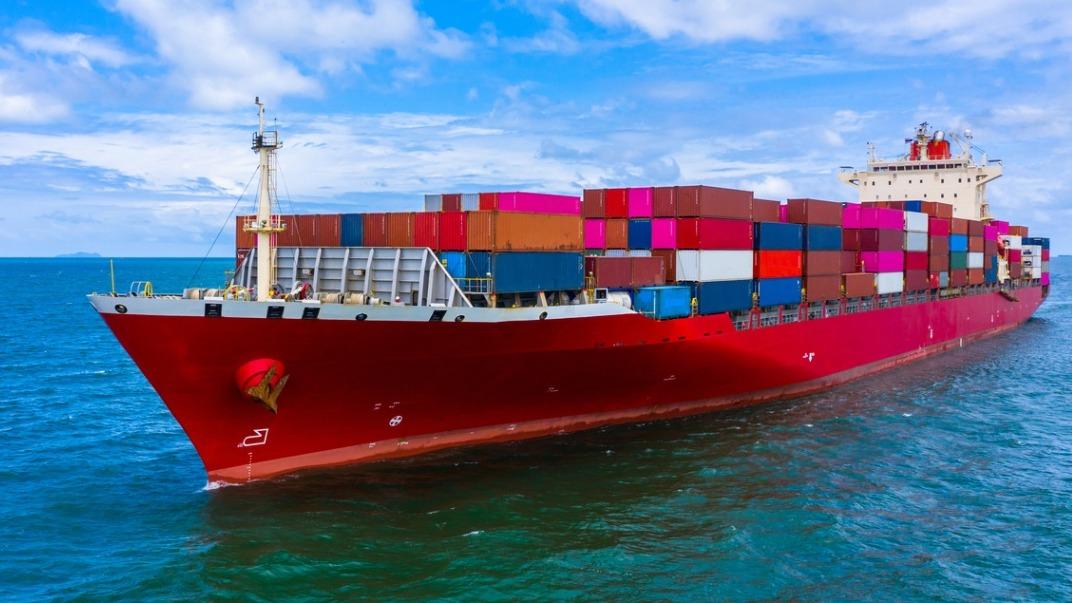
Global container lines have introduced emergency surcharges. Some carriers have added as much as $3,000 per 40-foot container, alongside new bunker fuel fees. Others are charging $1,500 to $4,000 per container in conflict-related surcharges.
Even lanes far from the Middle East are being repriced as capacity tightens and routes shift.
Air and Parcel Delivery
Air freight rates are climbing as jet fuel costs spike and demand shifts from ocean to air. Parcel carriers like UPS and FedEx are increasing fuel surcharges weekly.
For sellers offering free shipping, this is where margins start to disappear quickly.
Domestic Trucking and Last Mile
Diesel price increases are hitting domestic transportation just as hard. Trucking companies and local couriers are adding fuel surcharges or raising rates.
From inbound pallets to final delivery, every mile now costs more.
Packaging Materials Get Pricier Too
It is not just transportation. Packaging costs are rising alongside fuel.
Plastic Packaging Costs
Materials like polyethylene and polypropylene, used in poly mailers, bubble wrap, and air pillows, are petroleum-based. With supply disruptions tied to the Strait of Hormuz, raw material prices have jumped significantly.
Expect higher costs on nearly all plastic-based packaging.
Paper and Corrugate
While less oil-dependent, paper packaging is still affected. Increased energy and transportation costs are pushing up prices for corrugated boxes and paper-based materials.
At the same time, demand is rising as some brands shift away from plastic.
Other Warehouse Supplies
Shrink wrap, foam inserts, adhesives, and protective packaging all rely on petrochemicals. These inputs are becoming more expensive across the board.
For sellers and 3PLs, this creates a compounding effect with higher shipping costs paired with higher packaging costs.
What Sellers and 3PL Operators Should Do Now
This is not a wait and see situation. Operators need to adjust quickly.
Optimize and Consolidate Shipments
Ship smarter. Combine orders and maximize each load. Fewer, fuller shipments reduce cost per unit and minimize fuel surcharges.
Reassess Carrier Agreements and Routes
Review contracts and explore alternatives. Slower transit options or different routes can significantly reduce costs. Work closely with your 3PL to optimize network strategy.
Adjust Inventory Placement
Place inventory closer to customers. Distributed fulfillment reduces shipping distance and fuel costs.
Audit and Reduce Packaging Usage
Right-size packaging, reduce filler, and explore alternatives. Switching from plastic to paper-based materials where possible can help offset rising costs.
Secure Critical Supplies in Advance
If certain materials are likely to become more expensive or scarce, consider buying ahead without overextending your cash flow.
Review Pricing and Communicate Clearly
You may need to adjust pricing or shipping thresholds. Be transparent with customers. Many brands are already explaining fuel-related increases directly on-site.
Tighten Cost Monitoring
Track costs weekly, not monthly. Update your margins in real time so you can react quickly.
Diversify Suppliers and Routes
Long term, reduce reliance on any single region or shipping lane. Flexibility is key in moments like this.
Turning Crisis into an Operational Advantage
Fuel spikes like this hit fast, but they also highlight who is operating efficiently and who is not.
The Strait of Hormuz disruption is already impacting costs across the board. The companies that respond quickly by optimizing shipping, tightening operations, and communicating clearly will protect margins and stay competitive.
This is not just a challenge. It is an operational test.
The teams that treat it that way will come out ahead.
Subscribe to Racklify News for up-to-date Logistics News & Events
Comments
Share this on Social Media:

News
Processing Request