
Warehouse Capacity Constraints: Managing Physical Space and Cross-Border Flows Across the Asia-Pacific
Learn how logistics operators across the Asia-Pacific use high-density storage and physical facility upgrades to overcome warehouse capacity constraints and rising costs.

Jacob Pigon
16 Sep 2026 1:19 AM
Warehouse Capacity Constraints: Managing Physical Space and Cross-Border Flows Across the Asia-Pacific
Across the Eastern Hemisphere, fulfillment operators and third-party logistics networks are facing a fundamental shift in available warehouse capacity. As cross-border trade flows intensify between China, Taiwan, and Indonesia, logistics providers are prioritizing space optimization and physical facility upgrades over aggressive geographical expansion.
High-Density Storage and Facility Layout Optimization
Recent market analysis indicates that supply constraints are steadily altering logistics property markets across the region, gradually shifting leverage away from tenants and back toward facility owners. High-growth e-commerce brands and their logistics partners are finding that securing massive traditional distribution centers is becoming cost-prohibitive.
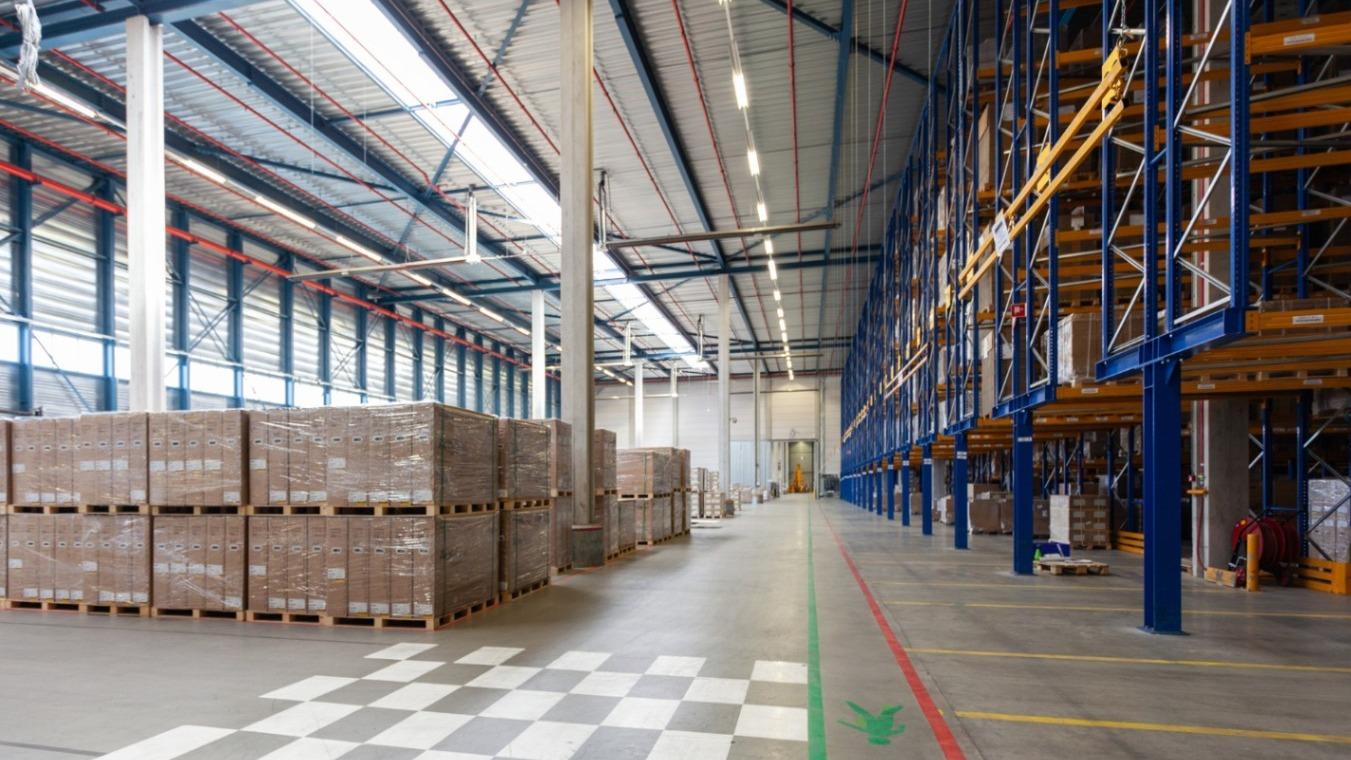
To maintain margins, fulfillment centers are physically reconfiguring their existing footprints. Operators are moving away from single-level bulk storage and installing advanced high-density vertical racking systems, narrow-aisle forklift equipment, and mezzanine-level picking zones.
By maximizing cubic volume rather than just square footage, supply chain managers can process higher inventory volumes without signing expensive new facility leases.
Physical Upgrades for Energy Efficiency
Beyond footprint consolidation, the structural requirements of these regional facilities are rapidly evolving. High-volume transit markets are anchoring their supply chains on rigorous green logistics improvements to offset surging operational costs.
Warehouse developers and logistics tenants are collaborating on physical building upgrades, including the installation of heavy-duty insulated dock doors, LED motion-sensor lighting grids, and high-efficiency climate control units for temperature-sensitive freight. These tangible facility investments immediately lower monthly energy expenditures and ensure compliance with the tightening environmental regulations sweeping across major Asian trade hubs.
Summary
Logistics providers across the Asia-Pacific are navigating a tightening commercial real estate market by focusing on physical warehouse optimization. With facility supply constraints shifting leverage away from tenants, fulfillment networks are installing high-density vertical storage systems to maximize existing cubic capacity.
Concurrently, facility operators are executing concrete green logistics upgrades like insulated dock infrastructure and high-efficiency lighting to reduce energy consumption and protect operating margins.
Subscribe to Racklify News for up-to-date Logistics News & Events
Comments
Share this on Social Media:

Processing Request