
Why Technology Matters When Choosing a 3PL
Technology has become a critical factor when choosing a third-party logistics provider. Modern fulfillment operations rely on warehouse management systems, platform integrations, and automation tools to ensure accurate inventory tracking and efficient order processing. For ecommerce brands selling through platforms like Shopify and Amazon, seamless integrations and real-time inventory visibility can significantly improve operations. A 3PL with strong technology infrastructure helps brands scale faster while maintaining accuracy and control.

Jacob Pigon
05 Apr 2026 5:08 AM
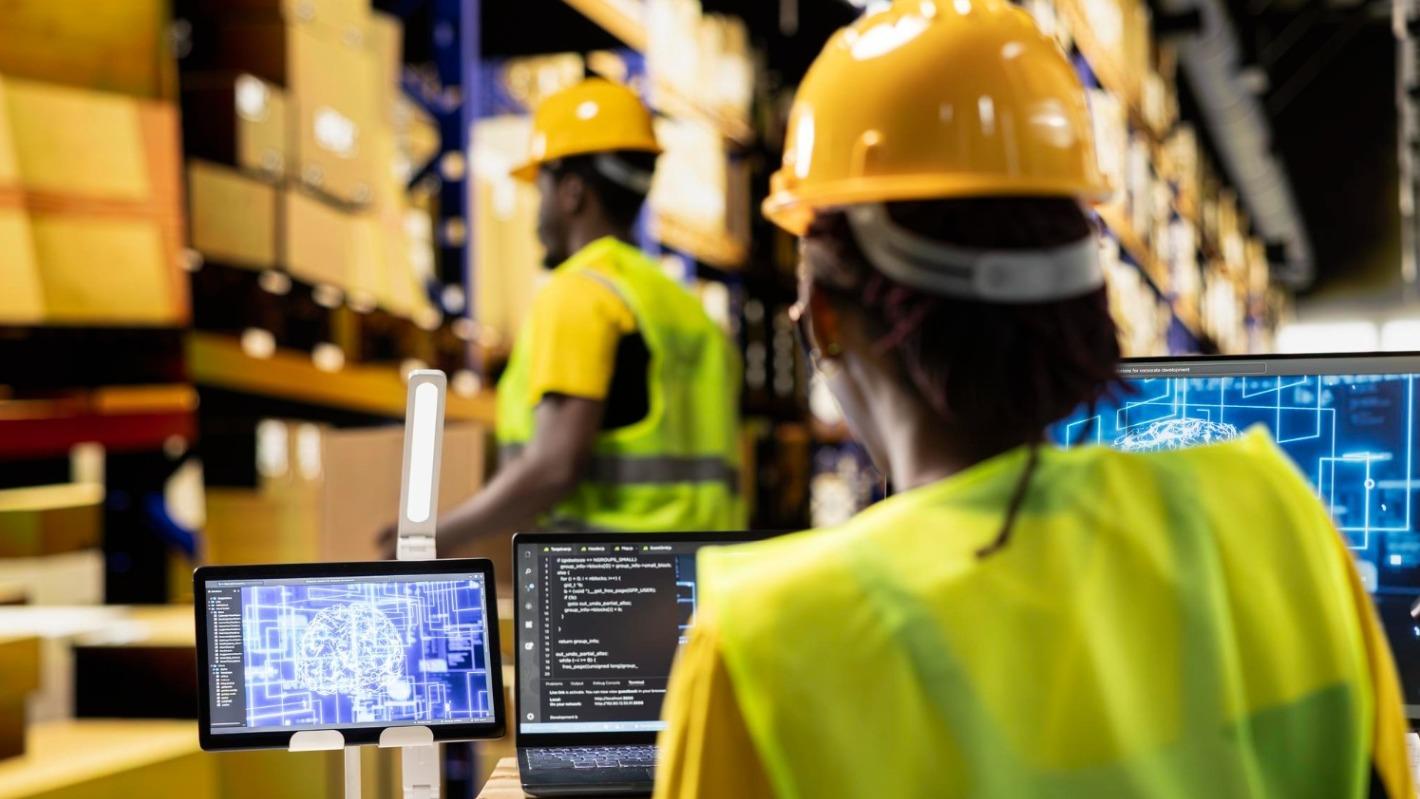
Why Technology Matters When Choosing a 3PL
When ecommerce brands evaluate third-party logistics providers, the conversation often focuses on warehouse space, shipping rates, and location. Those factors are important, but another element has become just as critical in modern fulfillment operations: technology.
The right technology infrastructure can dramatically improve inventory visibility, order accuracy, and operational efficiency. On the other hand, outdated systems can lead to delays, inventory errors, and poor customer experiences.
For brands that rely on fast and reliable fulfillment, the technology stack used by a 3PL can be just as important as the warehouse itself.
Real-Time Inventory Visibility
One of the most valuable benefits of strong logistics technology is real-time inventory visibility.
Brands need to know exactly how much inventory they have, where it is stored, and when it is moving. A modern warehouse management system (WMS) allows both the 3PL and the brand to track inventory levels in real time.
This visibility helps companies avoid overselling products, running out of stock unexpectedly, or losing track of inventory within a warehouse.
For brands selling across multiple channels, accurate inventory data is especially important to keep sales platforms synchronized.
Integration With Ecommerce Platforms
Another critical technology capability is platform integration.
Most ecommerce brands sell through multiple channels such as their own website, marketplaces, and social commerce platforms. A 3PL should be able to integrate directly with these systems so orders flow automatically into the fulfillment operation.
Platforms like Shopify, Amazon, and BigCommerce are commonly used by ecommerce sellers.
A 3PL with strong integration capabilities can automatically receive orders, update inventory, and send tracking information back to these platforms.
Without these integrations, brands may need to rely on manual processes that increase the risk of errors.
Order Accuracy and Automation
Technology also plays a major role in order accuracy.
Many warehouses use barcode scanning systems to verify products during the picking and packing process. These systems help ensure the correct items, sizes, or product variations are shipped to customers.
Automation tools can further improve efficiency by guiding warehouse workers through optimized picking paths and reducing manual errors.
When fulfillment technology is implemented properly, it helps increase accuracy while speeding up order processing.
Reporting and Data Insights
A good 3PL should also provide access to meaningful data.
Reporting dashboards allow brands to track key performance metrics such as order volume, shipping speed, inventory turnover, and return rates.
This information helps ecommerce companies make better decisions about inventory planning, product launches, and marketing strategies.
Data visibility also improves accountability between brands and their logistics partners.
Supporting Multi-Channel and Global Growth
As brands scale, logistics technology becomes even more important.
Companies that expand into new marketplaces, international shipping, or wholesale distribution need systems that can handle increasing complexity.
Technology-enabled fulfillment platforms help manage orders from multiple sources while maintaining accurate inventory records.
They also help coordinate shipping with carriers like UPS, FedEx, and DHL.
Without strong technology infrastructure, scaling operations becomes much more difficult.
Why Technology Should Be Part of Every 3PL Evaluation
Not all fulfillment providers offer the same level of technology.
Some warehouses still rely heavily on manual processes or outdated systems that limit visibility and efficiency.
When evaluating a 3PL, brands should ask questions about their technology stack. Important considerations include the warehouse management system, platform integrations, reporting capabilities, and automation tools.
The goal is to ensure that fulfillment operations can grow alongside the business.
The Bottom Line
In modern ecommerce logistics, technology is no longer optional.
It is a core part of delivering fast, accurate, and reliable fulfillment.
A 3PL with strong technology infrastructure can help brands manage inventory, integrate with sales channels, and scale operations as demand grows.
For ecommerce sellers choosing a fulfillment partner, technology should be one of the most important factors in the decision-making process.
Subscribe to Racklify News for up-to-date Logistics News & Events
Comments
Share this on Social Media:

News
Processing Request