
How To Choose A Boutique Fulfillment Provider: Checklist For Boutique Fashion Brands
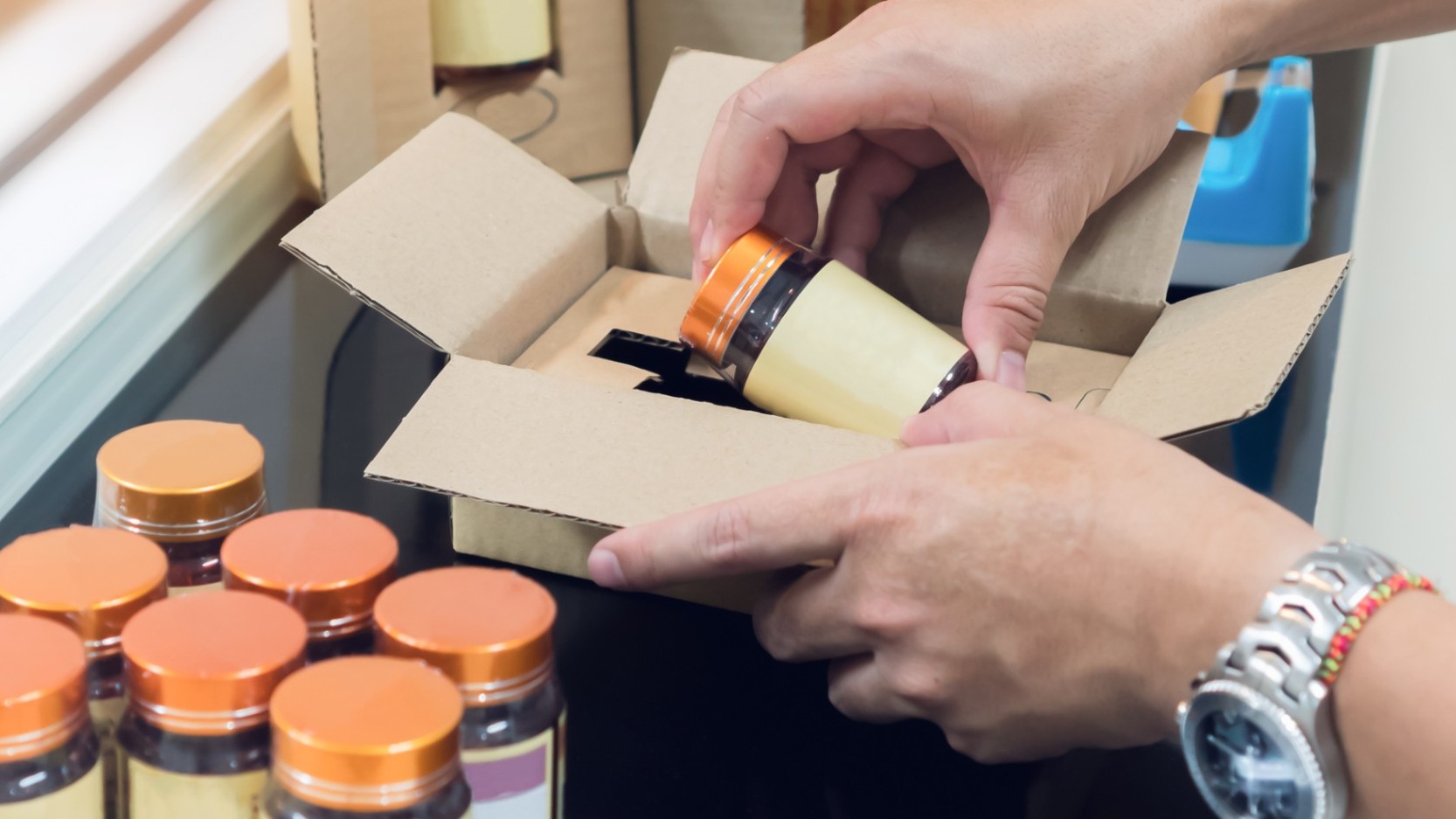
Boutique Fulfillment
Definition
Boutique fulfillment is a specialized order fulfillment service tailored to small-to-medium brands that require high-touch, customized handling. It combines storage, personalized packaging, kitting, and white-glove customer service to support niche or premium products with flexible volumes and faster turnaround.
Overview
Boutique Fulfillment Fulfillment services for boutique fashion retailers and small apparel brands with high-SKU, low-volume assortments.
Selecting a boutique fulfillment provider requires evaluating capabilities that matter to small apparel brands: SKU handling, packaging options, returns processing, platform integrations, and quality control routines. The right partner reduces operational headaches and preserves the brand experience customers expect from premium or niche fashion labels.
Core Evaluation Criteria
- SKU Handling: Confirm the provider manages high-SKU, low-velocity assortments and supports hangers, folded storage, and multi-bin slotting.
- Packing Options: Ask about custom packaging, printed mailers, tissue wrap, and whether they can apply inserts or promotional materials per order.
- Technology Integration: Ensure the provider integrates with your storefront, inventory system, and POS to synchronize stock and prevent oversells.
Operational Questions To Ask
During vendor evaluation, target concrete operational details instead of generic promises. Ask about average picks per hour for small orders, how they handle size-run accuracy, their returns flow, and what QC checkpoints exist at receiving and staging. Request KPIs such as accuracy rate, average order cycle time, and percentage of orders shipped same-day. These metrics reveal whether the provider can meet your SLA expectations.
Value-Added Services That Matter
- Kitting & Bundles: Ability to create outfit bundles or pre-packed assortments on demand saves time and reduces assembly backlogs.
- Personalization: Support for printed notes, embroidery, or custom labels adds significant perceived value for end customers.
- Photography & QC: Some boutique providers offer product photography, inspection reports, and returns refurbishment which help maintain product quality and online presentation.
Pricing Transparency
Request a full rate card that includes receiving rates, storage tiers (including long-term storage fees), pick-and-pack costs, packaging fees, returns handling fees, and any charges for inbound processing such as labeling or inspection. Ask for sample invoices that show how charges appear in practice. Beware of low headline rates that mask frequent per-item or service charges which inflate your effective fulfillment costs.
Scalability And Flex Capacity
Even boutique brands plan to grow. Ask how the provider handles seasonal spikes: do they have overflow capacity, temporary labor pools, or partner sites? If you plan to expand into wholesale or marketplaces, confirm the provider can support B2B pick-and-pack, pallet shipments, and ASN/document requirements for retailers.
Returns And Reverse Logistics
- Inspection Workflows: Clarify whether returns are inspected, restocked, or sent to a refurb lane.
- Customer Experience: Ask how return labels and refunds are handled and whether they support branded returns packaging.
- Cost Controls: Understand fees for processing returns and any restocking or disposal charges.
Operational Fit Checklist
- Sample Test Run: Do a pilot: send a representative sample of SKUs and run live orders to verify packing, accuracy, and branding execution.
- Onboarding Support: Confirm the provider assigns a project manager and provides documented processes for receiving, labeling, and cycle counts.
- Data & Reporting: Require daily inventory reports, exception alerts, and monthly KPI reviews to stay aligned.
Practical Example
A startup accessories brand chose a boutique provider after a two-week pilot. The pilot uncovered mislabeled size runs and a packing error rate the brand corrected with improved SKU naming. Post-onboarding, the provider implemented a size-check step at packing stations and added branded tissue as a standard option. Returns rates fell and customer satisfaction rose — outcomes the brand used to measure ROI on higher per-order fulfillment costs.
Contract Considerations
Negotiate clear SLAs for accuracy and lead times, penalties for missed SLAs, and a defined process for dispute resolution. Include a clause for inventory reconciliation frequency and access to inventory snapshots. If custom packaging or inserts are part of the service, agree on lead times and minimums for materials procurement.
In short, the Boutique Fulfillment provider you choose should align with your SKU complexity, brand presentation needs, and growth plans — confirmed through pilot runs, transparent pricing, and measurable SLAs that protect both operations and customer experience.
More from this term
Looking for a 3PL?
Compare warehouses on Racklify and find the right logistics partner for your business.