
Last-Mile: Definition and Strategic Importance
Last-Mile
Definition
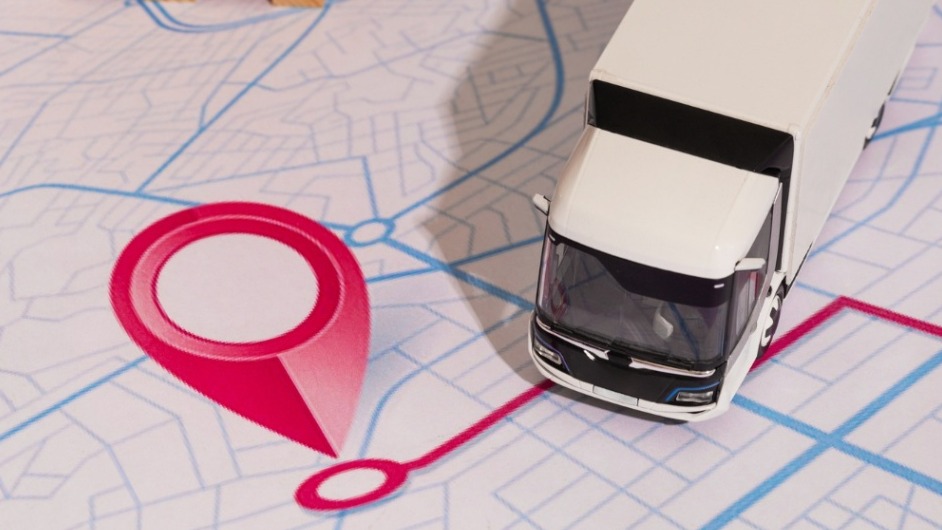
Last-mile refers to the final segment of the delivery process when goods are transported from a distribution center, warehouse, or transportation hub to the end customer or retail location. It is often the most costly and complex part of the supply chain due to the need for fast, flexible routing, tight delivery windows, and challenges like urban congestion and failed delivery attempts.
Overview

Last-Mile: Definition and Strategic Importance
Last-Mile describes the final step in the supply chain where a shipment travels from a local distribution center, fulfillment hub, or transportation node to the ultimate recipient — whether a residence, retail location, locker, or collection point. Despite representing a relatively short physical distance in many cases, the last-mile phase frequently consumes a disproportionate share of delivery time, cost, and operational complexity. This makes it a strategic focus for retailers, third-party logistics providers, carriers, and urban planners who aim to optimize customer experience while controlling expenses.
The importance of the Last-Mile stems from several interrelated factors:
- Cost intensity: Last-mile delivery can account for 20–50% (or more) of total shipping costs depending on order density and service expectations. Small parcels, residential deliveries, and low-drop-density routes drive per-package costs higher than long-haul transportation.
- Customer experience: The last mile is the moment of truth for customers. Timeliness, visibility, delivery options, and package condition directly influence satisfaction, repeat purchases, and brand perception.
- Operational complexity: Urban congestion, narrow delivery windows, failed deliveries, and heterogeneous delivery points make routing and resource allocation difficult. Returns and reverse logistics add further complexity.
- Environmental and regulatory pressures: Cities are enacting emissions limits, curfews, and access restrictions that affect last-mile operations. Sustainable delivery practices are increasingly important for corporate responsibility and compliance.
Real-world examples illustrate the strategic significance of the Last-Mile. Amazon’s heavy investment in last-mile infrastructure — including local fulfillment centers, dedicated delivery networks, Amazon Flex (crowd couriers), and lockers — demonstrates how controlling the last mile can reduce lead times and improve service levels. Similarly, last-mile innovations by logistics companies, such as route optimization and real-time tracking by UPS and DHL, have materially improved delivery reliability and customer communication.
Key concepts associated with the Last-Mile include:
- Delivery density: The number of stops within a geographic area per delivery route. Higher density reduces per-stop cost.
- Service level: The commitment made to customers — same-day, next-day, scheduled window, or appointment — which impacts resource planning and cost.
- Alternative delivery points: Locker banks, collection points, retail pick-up, and curbside pickup that can consolidate drop-offs and lower failed-delivery rates.
- Returns and reverse logistics: Efficient handling of returns is a critical last-mile consideration for e-commerce-heavy inventories.
Operational strategies to manage last-mile complexity generally target three objectives: reduce cost, improve reliability, and enhance customer experience. Techniques include route optimization and dynamic dispatch, micro-fulfillment centers close to demand clusters, use of local carriers and crowdsourced couriers, and offering consumers flexible delivery choices such as scheduled windows or parcel locker pickup.
Technologies that enable improved last-mile operations include transportation management systems (TMS), delivery management platforms, real-time location systems for visibility, machine learning for demand forecasting and driver assignment, and mobile applications that support proof-of-delivery and contactless handoffs. Emerging technologies like autonomous delivery vehicles, drones, and smart lockers are being piloted to address last-mile cost and accessibility challenges.
While innovation presents opportunities, last-mile execution carries trade-offs. Faster service levels increase costs and complexity, while consolidating deliveries into centralized pickup points may reduce convenience for some customers. Furthermore, scaling last-mile solutions requires careful integration with warehousing (micro-fulfillment and inventory allocation), order management, and customer-service workflows.
In Summary
The Last-Mile is a pivotal element of modern logistics. Success requires a balanced approach that aligns customer expectations with operational efficiency, leverages technology for visibility and optimization, and adapts to local constraints — from urban congestion to regulatory requirements. For businesses that can optimize their last-mile delivery, the benefits include lower costs, higher customer retention, and competitive differentiation in markets driven by speed and convenience.
Sources And Additional Reading (3)
- Ecommerce Fulfillment
“Ecommerce Fulfillment.” FedEx, https://www.fedex.com/en-us/small-business/ecommerce/fulfillment.html.
- Third-Party Logistics
“Third-Party Logistics.” Shopify, https://www.shopify.com/enterprise/blog/third-party-logistics-3pl.
- Subscription Fulfillment
“Subscription Fulfillment.” Shipfusion, https://www.shipfusion.com/fulfillment/subscription-box-fulfillment.
More from this term
Looking for a 3PL?
Compare warehouses on Racklify and find the right logistics partner for your business.