
What is Hazmat Labeling? A Beginner's Guide

Definition
Hazmat labeling is the process of applying standardized marks, pictograms, and information to packages containing hazardous materials so they can be identified, handled, and transported safely and in compliance with regulations.
Overview
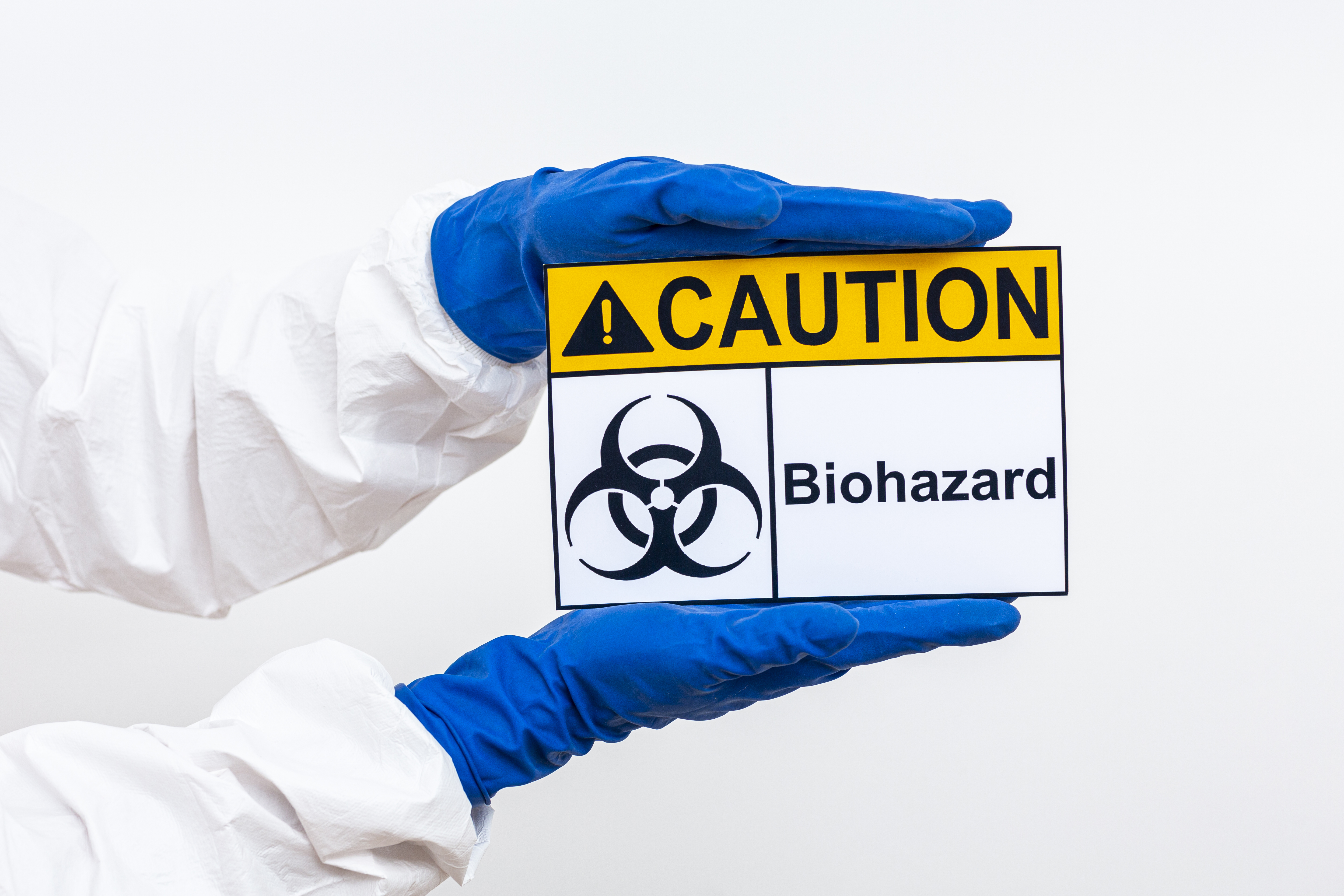
Hazmat labeling is the visible system of marks, pictograms, numbers and written information placed on packages, containers and sometimes vehicles to communicate the presence, type and handling needs of hazardous materials. At its simplest, a hazmat label tells people—warehouse staff, drivers, emergency responders and inspectors—what dangers are present and what precautions to take. For beginners, think of it as a concise, internationally recognized language printed on the outside of a shipment that reduces risk and keeps the supply chain moving safely.
The purpose of hazmat labeling is threefold: safety, compliance and operational clarity. Safety means enabling correct handling and rapid response in incidents; compliance means meeting legal requirements established by agencies and conventions; operational clarity helps carriers and warehouses sort, stow and segregate materials appropriately. Key benefits include fewer accidents, smoother customs and carrier interactions, and reduced risk of regulatory fines or shipment delays.
Several regulatory systems influence hazmat labeling. For land transport in the United States, the Department of Transportation’s Hazardous Materials Regulations (49 CFR) are central. International transport relies on different but aligned frameworks: the UN Model Regulations provide a global classification and numbering system; the International Maritime Dangerous Goods (IMDG) Code covers sea transport; and the International Air Transport Association (IATA) Dangerous Goods Regulations govern air shipments. In workplaces worldwide, the Globally Harmonized System (GHS) of Classification and Labelling of Chemicals standardizes hazard pictograms, signal words and hazard statements on product labels and safety data sheets (SDS), which often tie directly into transport labeling requirements.
Core elements you will commonly see on hazmat labels or markings include:
- Class or Division Label: A diamond-shaped placard or label indicating the hazard class (for example, Class 3 for flammable liquids, Class 2 for gases). These are color- and symbol-coded so they’re quickly recognized.
- UN Number: A four-digit code (e.g., UN1993) identifying the specific substance or group of substances. UN numbers are critical for emergency response.
- Proper Shipping Name: The standardized name used on shipping documents and markings—important for accurate documentation and regulatory checks.
- Orientation and Handling Labels: Arrows, “This Way Up,” or “Keep Refrigerated” markings that instruct handlers on orientation and storage conditions.
- GHS Pictograms and Signal Words: On product labels and sometimes required on transport packaging, words like "Danger" or "Warning" and pictograms such as flame, skull and crossbones, or corrosion provide immediate hazard cues.
- Limited Quantity / Excepted Quantity Marks: Special marks indicating regulatory exceptions that can ease handling and packaging requirements for small quantities.
It’s important to understand the difference between a label and a placard. Labels are generally smaller and applied to individual packages or inner containers; placards are larger and displayed on vehicles or freight containers. Both communicate similar information, but placards help emergency responders identify hazards at a glance on a transport vehicle while labels guide immediate package handling.
Real-world examples make the system clearer. A small bottle of paint classified as a flammable liquid will carry a Class 3 label showing a flame pictogram and may also include the UN number and proper shipping name on the outer box. A cylinder of compressed oxygen used in manufacturing will be marked with a Class 2.2 label for non-flammable, non-toxic gas and display handling instructions and the UN number on the cylinder and crate.
For beginners, a few practical tips when first encountering hazmat labeling are helpful: always consult the Safety Data Sheet (SDS) to determine classification and proper shipping information; verify the UN number and proper shipping name; use label templates or software that comply with the specific transport mode; and check carrier and destination country requirements, as some jurisdictions add additional rules.
Hazmat labeling can seem complex at first because it links product chemistry, legal frameworks and logistics. But once you learn the common elements—class labels, UN numbers, proper shipping names and GHS pictograms—and where to find them, the system becomes manageable. Approach labeling as a safety-first communication tool: clear, consistent marks protect people, property and business continuity.
🔗
Related Terms
6150 EUR Customs Cliff
The "150 EUR Customs Cliff" refers to the import-value threshold—commonly applied in the EU—above which goods become lia...2D Imager Scanner
A camera-based scanner that captures both 1D and 2D barcodes (such as QR and Data Matrix) from various angles and surfac...36 x 36 pallet
A smaller square pallet used for compact loads, store displays, small shipments, or specialty products.3PL
Third-Party Logistics: an external provider that manages outsourced logistics services such as warehousing, order fulfil...3PL Brokerage
A 3PL brokerage is a third-party logistics service that matches shippers with carriers to arrange freight transportation...More from this term
Looking for a 3PL?
Compare warehouses on Racklify and find the right logistics partner for your business.