
What Is Dunnage? Types, Uses, and Selection Criteria
Dunnage
Definition
Dunnage refers to materials and products used to protect, support, and secure cargo during storage and transportation. Common forms include wooden braces, airbags, foam, and loose fill that prevent movement, cushion against shock, and distribute weight to reduce damage.
Overview
Dunnage Protective material used to prevent products from shifting or being damaged in transit.
Dunnage covers a wide range of materials and techniques used inside transport units and storage locations to protect cargo. It includes soft materials such as foam and air pillows, rigid items such as wooden crates and composite pallets, and engineered solutions like inflatable void-fill systems and molded plastic supports. Warehouse managers, carriers, and packers choose dunnage based on the load’s fragility, transport mode, handling profile, and cost constraints.
Why Dunnage Matters
Damage during shipment is a direct cost through product loss and an indirect cost through customer returns, claims, and reputation damage. Proper dunnage reduces movement inside containers and trailers, prevents point loading on sensitive items, and stabilizes multi-unit loads. In cross-docking and fulfillment environments, effective dunnage speeds handling by making loads predictable and safer for lift trucks and pallet jacks.
Common Types Of Dunnage And Where They’re Used
- Air Fill And Inflatable Bags: Lightweight, conforming void-fill used between pallets or inside corrugated boxes; common for ocean container voids and LTL shipments.
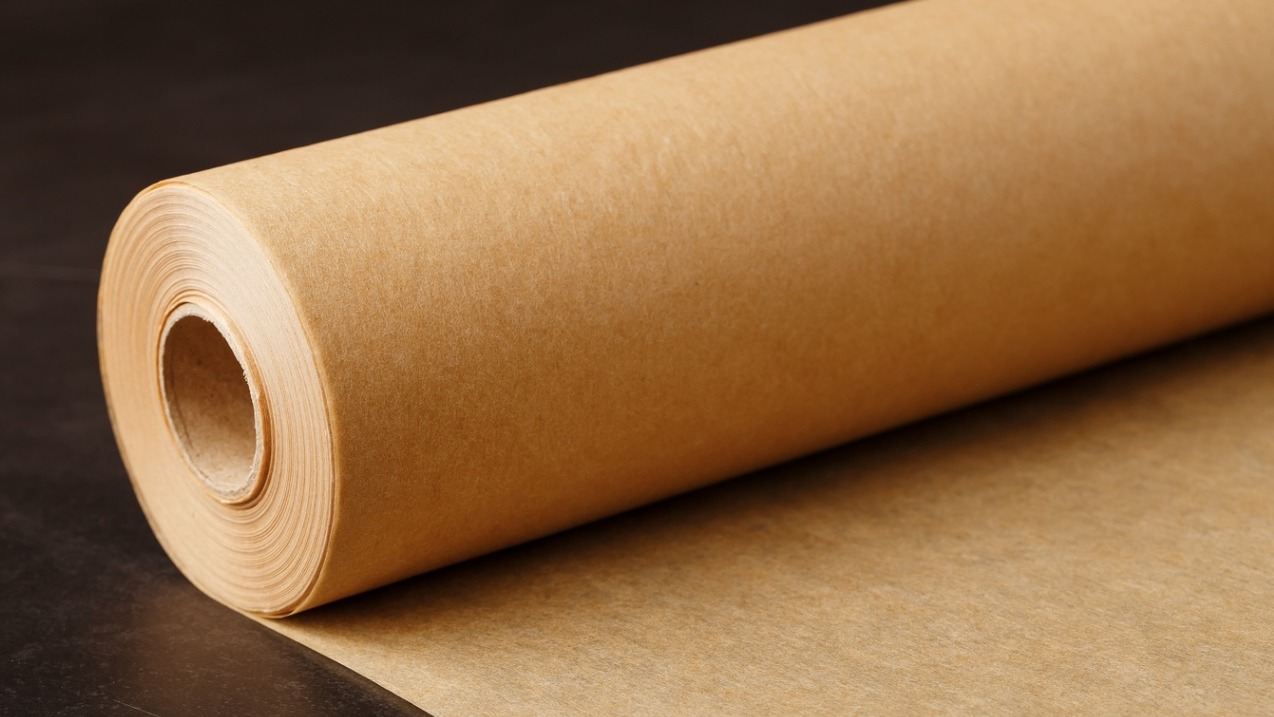
- Corrugated And Paper Fill: Crumpled paper, honeycomb, and corrugated partitions; cheap, recyclable, and widely used for carton-level protection in e-commerce and retail shipments.
- Foam And Molded Inserts: High-protection inserts for fragile electronics, medical devices, and precision components; used where repeated shock and vibration protection is required.
- Wood And Timber Bracing: Blocking and cribbing for heavy machinery, large crates, and unitized loads; standard for export and FCL shipments where mechanical restraint is needed.
- Composite And Plastic Dunnage: Reusable molded supports, pallets, and edge protectors; used where moisture resistance and reusability reduce total cost of ownership.
How To Select Dunnage: Practical Criteria
Selecting dunnage is a risk-cost optimization: you balance protection level against material, labour, and dimensional costs. Start with a simple risk assessment: identify fragile items, heavy overhangs, center-of-gravity issues, and environmental exposure. Next, consider transport mode — road freight tolerates different shock spectra than ocean freight — and the likely handling steps (lift trucks, conveyors, manual handling).
Key questions:
- Fragility: Does the product require cushioning or only anti-shift restraint?
- Weight And Center Of Gravity: Will rigid blocking or strapping be necessary to prevent tipping?
- Moisture And Contamination Risk: Is corrosion or dampness a concern that requires moisture-barrier dunnage?
- Reusability And Sustainability: Are return logistics available to capture reusable dunnage, or is single-use recyclable material preferred?
- Cost Per Shipment: What is the landed cost of damages versus the cost to implement higher-grade dunnage?
Installation And Handling Considerations
Good dunnage design minimizes packing time and avoids creating hazards for handlers. For example, pre-formed foam trays reduce packing time for small SKUs versus hand-crumpled paper. Wooden blocking should be nailed or strapped to the pallet and inspected for protruding nails which damage packaging or injure workers.
Training matters. Packers need clear SOPs showing where to place dunnage, how many layers to use, and acceptable variations. Also document inspection points in receiving and pre-shipment checks to catch insufficient or degraded dunnage before loads move.
Cost And Sustainability Trade-Offs
Dunnage choices affect both operating expense and environmental footprint. Single-use paper and corrugated options are cheap and recyclable in most U.S. markets but create downstream waste handling needs. Reusable plastic or composite dunnage raises upfront costs but reduces per-shipment expense over many trips and can lower total waste. For exports, ISPM-15 rules govern wood packing; using treated wood, engineered timber, or non-wood alternatives avoids phytosanitary fumigation issues.
Common Problems And How To Avoid Them
- Under-Dunnaging: Leads to load shift and damage. Avoid by following load-specific checklists and using sensors or cameras in high-value lanes to validate packing practices.
- Over-Dunnaging: Increases dimensional weight and transport cost. Standardize pack templates and use right-sized void-fill to preserve cubic utilization.
- Poor Material Selection: Choosing absorbent materials for moisture-sensitive goods causes corrosion; swap to moisture-barrier or desiccant solutions where needed.
Practical Example
A small electronics manufacturer ships 48 units per pallet via mixed-mode distribution. Initial packaging used corrugated partitions and loose paper, resulting in 1.5% damage claims. After switching to molded foam trays for internal carton protection and inflatable void fill in shipping cartons, the damage rate fell below 0.2%. Reusable plastic trays reduced packing time and returned through a scheduled pallet exchange program, offsetting tray cost within 18 months.
In short, the Dunnage you choose should match the product’s vulnerability, transport profile, and cost structure. The right balance reduces damage, speeds handling, and lowers total landed cost.
More from this term
Looking for a 3PL?
Compare warehouses on Racklify and find the right logistics partner for your business.